Blog

  • 10 Day Campervan Trip in Ireland (Our Itinerary & Experience)

    10 Day Campervan Trip in Ireland (Our Itinerary & Experience)

    Campervan life in Ireland may just be the best way to see this country! When you think of going on holiday in the small European country of Ireland, what comes to mind? Most people picture the dramatic Cliffs of Moher, the lively pubs of Dublin, or the rolling green hills dotted with sheep and stone … Read more

    The post 10 Day Campervan Trip in Ireland (Our Itinerary & Experience) appeared first on Goats On The Road.
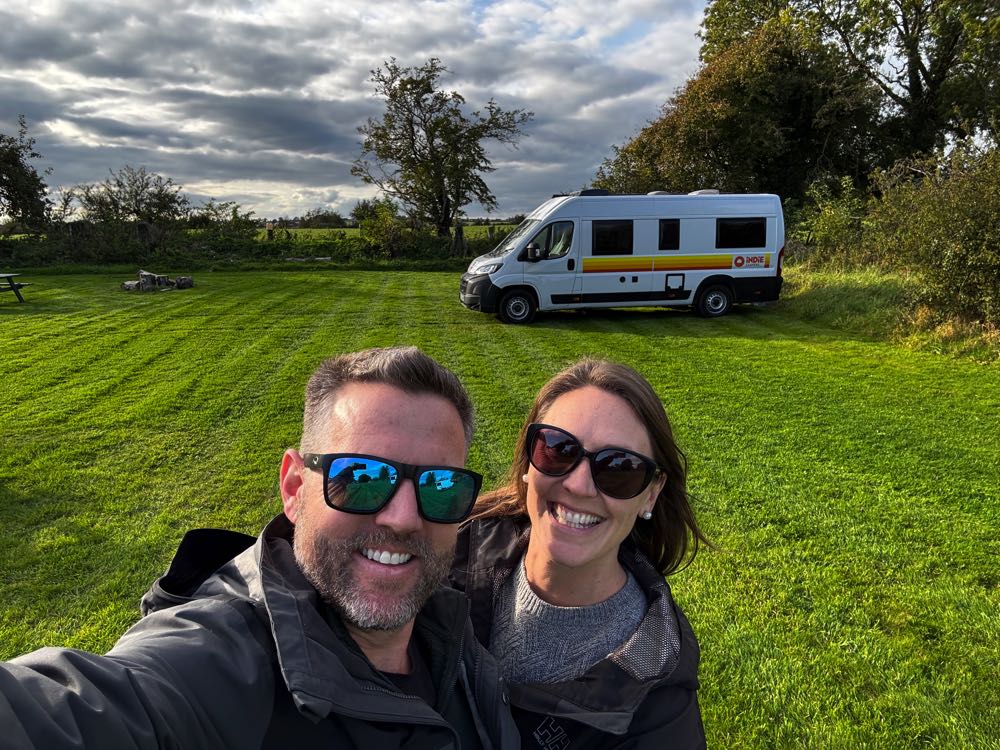
    Campervan life in Ireland may just be the best way to see this country!

    When you think of going on holiday in the small European country of Ireland, what comes to mind? Most people picture the dramatic Cliffs of Moher, the lively pubs of Dublin, or the rolling green hills dotted with sheep and stone walls.

    We experienced all of that, and more, during our 10 day road trip around Ireland.

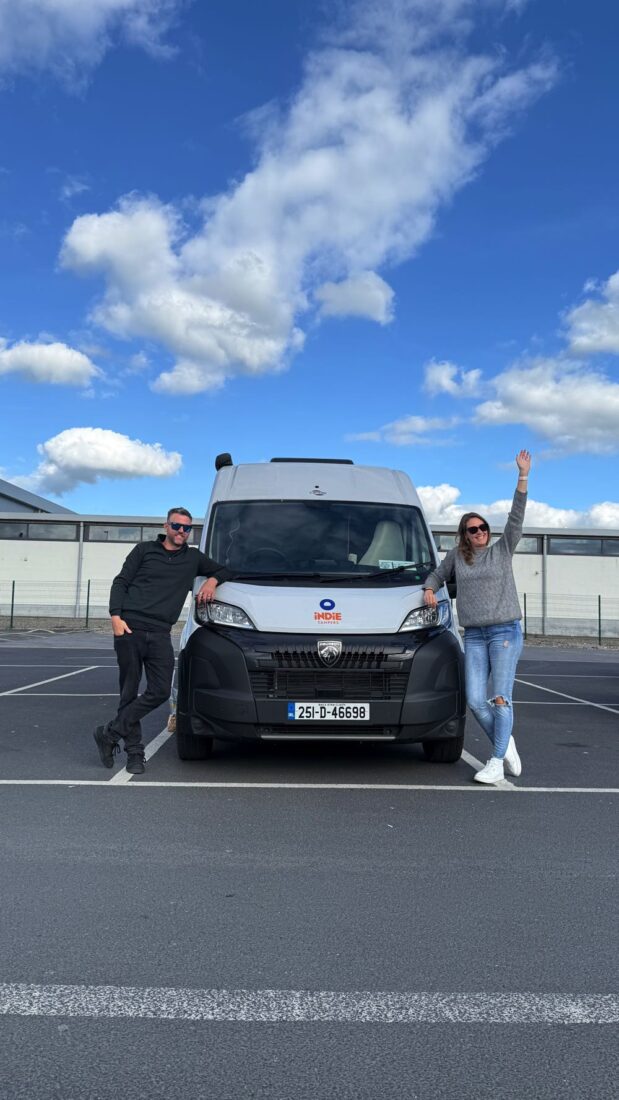
    indie campers with nick and dariece.HEIC

    Our 10 Day Ireland Campervan Trip

    While we were in Canada visiting family, I saw a van that looked like the perfect size for a trip somewhere in Europe. It was from Indie Campers – the company we used back in 2020 during our campervan trip around Portugal.

    I said to Nick: “This campervan would be the perfect size for us in Europe! We haven’t done a campervan trip in a while, it would be awesome to work with Indie Campers again.”

    The next day that company reached out to us to share our experience with the van in a country of our choosing.

    That was the sign we needed! It was time to plan a digital nomad campervan trip around Ireland – somewhere we’d wanted to visit since 2020.

    clifden eco camping in ireland

    In this post, I’m going to break down our 10 day Ireland campervan itinerary, as well as some things you’ll want to know before renting your own van.

    Here’s our trip report from 10 days travelling from Dublin to Connemara, the Wild Atlantic Way and more…all in our campervan.

    Why Ireland in a Campervan?

    Since living in Bulgaria, we’ve been travelling around Europe a lot. So, when it came to picking the country to visit with Indie Campers, we decided on Ireland – somewhere we’d never been! It turned out to be a great decision.

    Ireland is an excellent choice for a campervan for 2 main reasons.

    1. The cost of accommodation in the country is quite high (sleeping in your campervan saves that cost).
    2. You’re able to get offtrack and see areas of the country that you probably wouldn’t otherwise.

    The Campervan (Model, Specs & Cost)

    Picking up the van was a simple process. We took a taxi from the center of Dublin to the rental area (north of the city) and from there, we were given the full rundown by the team.

    They answered any questions we had, gave us a full explanation, and we checked all the “extras” we had requested were there.

    back doors open van in ireland

    There’s also a box of items that previous people have left behind at the end of their trips. This is great if you don’t want to buy a big thing of salt and pepper, hand soap, paper towel, etc. Then at the end of your roadtrip, leave behind the items you’re finished with.

    The Model

    We went with the Active Long model with Indie Campers and it was a great fit for our 10-day trip.

    We really liked how everything was “fixed”, rather than portable – which we experienced with our previous campervan rental in Portugal. With the Active Long, it had a fixed bed, gas stove, fridge, and a toilet as well.

    There was a great seating area with a table, and the two front seats swiveled around to give us more space inside. There was also a ton of cupboard space too which was really nice to have.

    But, my favourite aspect had to be the heating! We rented at the end of September and into October, so we had some cool nights. Turning on the built-in gas heating made the van warm up in no time.

    inside campervan in ireland

    The compact kitchen had everything we needed to cook on the go, including a gas stove, sink, and fridge. We enjoyed waking up and making coffee and matcha! We did cook a couple of meals, but found ourselves enjoying the pubs in the evenings. 😉

    There’s also a retractable awning, so you can enjoy the van comfortably whether it’s raining or sunny outside.

    Every rental comes with roadside assistance, 24/7 support, and starter kits for cooking and cleaning – so you can pick up the keys and hit the road right away.  

    The Specs

    Initially, we were a little bit hesitant driving a campervan in Ireland. Everyone warned us that “the roads are SO narrow, having a van is hard”. And, they drive on the lefthand side of the road (we lived in Grenada, so that was easy for Nick).

    But, in reality, the driving was easy! The roads were definitely wide enough, we had no issues at all.

    The dimensions of the van were great:
    Length 6.2m (20′4″)
    Width 2m (6′7″)
    Height 2.7m (8′10″)

    outside campervan with doors open

    We were also hoping for a newer van and ended up with an automatic, 2025 Pilote diesel, which ran really well. 

    The campervan had a 120L (32gal) tank for fresh water, and a 90L (24gal) tank for grey water, which was sufficient for us. A 220V cable for plugging in and charging the backup battery was also included.

    Add-Ons

    Indie Campers has some items that you can add on to your rental, such as gas cylinders, bicycles, bedding kit, and more. We opted for a small coal BBQ, an outdoor table and chairs, the bedding kit, chemical tabs (for the toilet), and gas cylinders.

    We forgot to ask for the towel kit, but luckily we had our own bath towels with us.

    inside campervan looking out

    We went through just one gas cylinder during our 10 day trip. That was with heating the van each night (all through the night), making coffee each day on the stove, frying up 2 meals, and having just 2 showers.

    Since we were in Ireland in cooler weather, we only really used the outside table and chairs a couple of times. But, I highly recommend adding that on, as it gives you more outdoor living space.

    The Cost

    The cost of the rental varies depending on which time of year you rent (high season vs. low season), how long you rent for, and what campervan model you rent. 

    The Active Long model that we rented with Indie Campers costs around $180 per day in September (if you rent for 10 days). The add-ons (like the table and chairs) are charged on top of that.

    For the campsites, if you wild camp then it is free. We didn’t find there were as many options for wild camping in Ireland as other destinations. The cost of a campsite with electricity, showers, toilets, and dumping of grey water and chemical toilets was between €35 – €46 per night.

    Our 10-Day Ireland Campervan Itinerary

    We came up with the road trip route as we went. This was literally one of the only trips where we just rented the campervan, had a few places in mind, but decided where to go each day!

    nick working in the van ireland

    We wanted to avoid cities with the campervan and spend the night in places that were close to the towns – so we could just take a taxi in during the evenings for dinner and craic.

    If you don’t mind not being close to the cities and towns, then there are lots of places you can stay. For us, we were into the music and nightlife, so we wanted to be close enough that we could just taxi in.

    Here’s our full 10 day itinerary around Ireland with a campervan.

    1. Dublin to Kilkenny (1 night)

    It only took about an hour to feel comfortable with the length and width of the van (and driving on the lefthand side of the road!). From Dublin we headed south to Kilkenny, which is a city I highly recommend you add to your Ireland itinerary.

    Our stay at Treegrove was quiet and comfortable. And the walk into Kilkenny was only about 30 minutes

    With a gorgeous castle, beautiful canal walk, excellent pubs and restaurants, this was an excellent first stop from Dublin.

    • Distance: Indie Campers Pickup Point (Dublin) to Kilkenny = 2.5 hours
    • Where to Stay: Tree Grove campsite. It’s a nice, 30 minute walk to the Kilkenny Castle from here along the canal. Facilities: Showers, toilets, basic kitchen, electricity hook up
    • Where to Eat: If you want to eat in the city rather than cooking for yourself in the campervan, I recommend Butcher Restaurant for amazing steak, The Pumphouse for Guinness and music, and Matt The Millers Bar (unfortunately it was closed when we were there)
    • Things to Do: Visit Kilkenny Castle, Smithwick’s Experience, walk around the Castle Park, join a walking tour

    During our stay, there were only a handful of RVs and campervans at Tree Grove. It was quiet and comfortable.

    2. Kilkenny to Lorrha via Nenagh (1 Night)

    You may not want to come to North Tipperary during your campervan trip around Ireland, but we had friends to visit in Nenagh, so we spent the day there with them, before finding a place to stay afterwards…in Lorrha.

    Nenagh turned out to be a quaint town, with a castle, cute shopping streets, and it has hills nearby for hiking and Lough Derg is close as well.

    I also ended up having the best fish n’ chips of the entire trip here! If you find yourself in Nenagh, stop at Hibernian Inn for the fish n’ chips, and the full Irish breakfast.

    My favourite fish n chips of the whole trip

    This was one of those days where we literally found the campsite a couple of hours before. After spending some time with our friend in Nenagh, we headed north to Lorrha. This campsite was super interesting – it was just a field behind a pub!

    The field had lovely views of farmland and the sunset, and there was a firepit as well. We parked the van, made ourselves a meal and enjoyed some wine by the fire…before heading into the pub.

    The owner behind the bar was super friendly (as are all Irish people), and one by one, the locals would come round and pop in for a pint of Guinness (or 2, or 3).

    There were around 10 of us all sitting at the bar chatting about all things Ireland, Canada, politics, archeology, Europe, travel, beer…you name it. This ended up being one of our favourite nights in Ireland. But the best part? We could literally just walk to our bed which was waiting for us behind the pub!

    where to stay with a campervan in ireland
    • Distance: Kilkenny to Nenagh = 1.5 hours. Nenagh to Lorrha = 30 minutes
    • Where to Stay: Tua Campsite. There aren’t any designated spots here, it’s just a field and you find a place. It was, however, level and very quiet when we stayed.
      • Facilities: There’s a very basic kitchen here with a sink and microwave, toilets (shared with the pub), and a shower. It was 10 Euros per person/night. There’s also the pub attached which has a pool table.
    • Where to Eat: The pub wasn’t serving food when we were there. It was a great opportunity to cook steak and salad in our campervan!
    • Things To Do: There are lots of castles and ruins nearby. We did a hike in Portumna Forest Park, you can visit Lough Derg for kayaking, walking, biking or swimming.

    3. Lorrha to Galway via Burren & Kinvarra (1 Night)

    After all the sitting in the van, and in the pub, we decided to do a hike in Portumna Forest Park near Lorrha before hitting the road.

    Galway was one of the places we were most looking forward to visiting during our trip. But, one of the best things about having your own wheels in Ireland (and not having a strict plan), is to be able to take the advice of the locals.

    Lots of people had recommended the village of Kinvarra and Burren to us – in particular, Linnane’s Lobster Bar.

    So, we did as the locals recommended and rather than just doing a straight shot to Galway, we stopped along the way.

    Kinvarra was so cute with its colourful buildings right along the harbour, and the imposing Dunguaire Castle as soon as you arrive in the village. From there, we made our way to Galway.

    As soon as we parked the van, we headed into Galway to find some trad music!

    The city is known for its music scene and we were super excited to check it out. The second we got out of the taxi, we heard music coming from a pub…so, we went inside. There were around 20 people playing in this “trad session”! It was incredible.

    A local started chatting with us and told us about a bunch of excellent restaruants and places to listen to more music that night. We took his advice and had a fabulous night out in the city filled with dancing, new friends, and good times.

    We only spent 1 night in Galway (and experienced some CRAZY wind that night in the van!), as we knew we were coming back in a couple of days to explore more with friends.

    Practical Information:

    • Distance: Lorrha to Kinvarra = 71km (1 hour, 10 minutes). Kinvarra to Galway (Salthill) = 30km (1 hour)
    • Where to Stay: O’Hallorans Caravan Park in Salthill just outside of Galway. Use FreeNow App to get a taxi easily.
      • Facilities: Clean bathrooms and shower, electricity hook up, greywater and chemical toilet dumping, garbage bins. No kitchen, but there is a sink for washing dishes.
    • Where to Eat: There are so many restaurants in Galway. Unfortunately, we dind’t have great food experiences! The ones we wanted to eat at were booked or closed. Kai Restaurant is recommended, as is Oscars Seafood Bistro, and Ard Bia at Nimmos.
    • Where to Drink: Tig Coili (small place with great trad music), Taaffes Bar (a late-night place with live music), Tigh Neachtain (unique, local spot with art adorning the walls), The Salt House (great place for craft beer) & Monroe’s Tavern (the first pub we went to in Galway with 20 people doing the trad session!)
    • Things to Do: enjoy the music, explore the Latin Quarter, do a bit of shopping, visit the small market near the Long Walk, explore the SaltHill Promenade, chill out in Eyre Square, walk along the River Corrib, join a walking tour, visit the University grounds, watch traditional Irish dancing.

    4. Galway to Connemara National Park (1 Night)

    This day was the most spontaneous of our Ireland trip. We woke up in Galway and planned to head to the Cliffs of Moher. After driving for around 15 minutes, I asked Nick to pull over.

    We stopped and I opened up google Maps and decided that we had to change our plan!

    The route we had chosen made no sense and would’ve had us back tracking on ourselves. After some discussion, a new plan was formed: we’d head north to the Connemara National Park – visiting some sights along the way – and spend the night up there.

    Where? We weren’t sure yet…

    I’m sooo glad we made the decision to add Connemara National Park to our list! It covers more than 7,000 acres which includes bog, heath, and mountains. If you look on the map, Connemara County is completely dotted with land and water – very “boggy” looking.

    The scenery on this drive was stunning and we were glad to be out in a more wild part of Ireland. We stopped at the town of Clifden, at some scenic pull-outs, and made our way up to the Kylemore Abbey and Gardens – which is absolutely stunning.

    When it came time to figure out where to stay, we found the most perfect spot just by searching on Google Maps – Clifden Eco Beach Camping. The view out to the water, and the gorgeous private beach and cove were stunning.

    clifden eco camping in ireland

    This place was so scenic. Our van faced the water and had a perfect view of sunset. After setting up the campervan, Nick went for a swim in the ocean, we lit a bonfire in the evening and cooked a meal for ourselves. A perfect end to the day.

    Practical Information:

    • Distance: Galway to Clifden: 78km (1 hour, 25 minutes). Clifden to Kylemore Abbey: 18km (25 minutes). Kylemore Abbey to Clifden Eco Beach Camping: 22km (30 minutes)
    • Where to Stay: Clifden Eco Beach Camping. The views here are stunning and so is the sandy beach. It’s pristine and quiet – come here for a peaceful stay.
      • Facilities: Showers (paid 1 Euro for 10 minutes), toilets, kitchen with sink and fridge, bike rentals, free spring water for drinking, grey water dumping, BBQ.
    • Where to Eat: In Clifden, don’t miss Guy’s Seafood Bar (the chowder is to die for). In the evening, this is another occasion where it’s the perfect opportunity to cook for yourself in the campervan and enjoy a meal at sunset outside with a table and chairs. Stock up at Lidl in Clifden.
    • Things To Do: Visit Clifden town, explore the Kylemore Abbey & Gardens, visit the Village of Roundstone, scenic drives, hiking in Connemara National Park, fishing, swimming & beaches in the summer.

    5. Connemara to Oughterard (1 Night)

    Remember how I said we’d be returning to Galway? Well, we had another couple of friends to meet up with in Ireland and they were staying in Oughterard.

    As you can probably see, we’ve been visiting some “random” places during this itinerary.

    For us, while we love the popular spots (they’re popular for a reason), we also love finding the little villages and towns and exploring the lesser-known destinations.

    So, we went there first and all of us headed back down to Galway for the afternoon/evening for some dinner, drinks & music before returning to Oughterard for the night.

    Practical Information:

    • Distance: Clifden Eco Camping to Oughterard = 61km (1 hour). Oughterard to Galway = 27km (35 minutes).
    • Where to Stay: We only found 1 places near Oughterard that would accept campervans…and it was the parking lot of a cafe! Thanks to Camp Street Cafe for hosting us.
      • Facilities: None in the evening. Toilets during the cafe’s working hours. The owner doesn’t charge, but asks that you purchase something from the cafe. The town is super quiet and the night was peaceful.
    • Where to Eat: you can grab a quick bite at Camp Street Cafe. We enjoyed coffee & matcha at My Little Flower Coffee. Powers is a highly rated restaurant in the town.
    • Things To Do: Go fishing, visit the Glengowla Mines, head up to Connemara National Park for the day, do some hiking, visit the Aughnanure Castle, relax in the Oughterard Shrubbery (park).

    6. Oughterard to Doolin +Cliffs Of Moher (1 Night)

    The Cliffs Of Moher are one of those iconic sights that we’ve seen online and on TV for many years now. Today was the day we finally got to see them in real life!

    We arrived in the village of Doolin which was the jumping off point for the northern stretch of the Cliffs. We chose to base ourselves here, as the main viewing area of the Cliffs of Moher and the south are usually much busier.

    The hike was gorgeous! We walked along a narrow pathway hugging the cliffside with a sheer drop down to the ocean on one side, and farmland with cows on the other. Dress appropriately with hiking shoes, and expect rain and wind. Note: be careful when visiting the Cliffs of Moher as accidents can (and do) happen.

    We lucked out and had a perfect day – a mix of sun and clouds and no wind! Which is pretty unheard of. We hiked for a couple of hours and returned back to Doolin the way we came.

    Practical Information:

    • Distance: Oughterard to Doolin = 96km (2 hours). Galway to Doolin = 70km (1.5 hours)
    • Where to Stay: Nagles Camping & Caravan Park. This is a great place within walking distance of the trailhead for the Cliffs of Moher, and pubs/restaurants in Doolin. Friendly workers, clean facilities, and right at the pier if you want to go to Aran Islands, or see the Cliffs Of Moher by boat.
      • Facilities: 1 Euro paid showers, toilets, kitchen with paid stove (1 Euro), paid washer and dryer, small shop, grey water disposal, chemical toilet dumping, electricity hook up, wifi.
    • Where to Eat: In Doolin, we enjoyed a meal at Gus O’Connor’s Pub, which opened in 1832!
    • Things To Do: Hike the Cliffs of Moher (or visit by boat), take a boat to Aran Islands, wander around Doolin, see the Doolin Cave.

    7. Doolin to Dingle via Adare (1 Night)

    As with each of the days on our campervan road trip, we wouldn’t just go from point a to point b. We’d stop along the way to not only break up the journey, but to see some interesting sights and towns as well.

    Today, we decided to stop in at the gorgeous, Heritage Town of Adare. We wandered around the streets and stopped in for a Guinness and shephard’s pie for lunch.

    From there, we continued on to Dingle. We arrived and as soon as we checked in, the rain came pouring down.

    We’d actually been super lucky with weather up until this point – we had sunshine and clouds the whole time! So, we figured the best thing to do would be to get some work done before calling a taxi to take us into town for some dinner, drinks & music.

    We pub-hopped around Dingle enjoying the traditional music at interesting venues – one was a hardware store by day…and a bar by night!

    Again, this is why we like to stay within a short taxi ride of the towns. We want to meet people, listen to the incredible music, and eat and drink at the cool pubs.

    Unfortunately, due to the pouring rain, the fact that we arrived in the late afternoon, and we had work to do…we only saw the pubs and streets at night in Dingle! 

    Practical Information:

    • Distance: Doolin to Adare = 95km (1.5 hours). Adare to Dingle = 130km (2 hours)
    • Where to Stay: Rainbow Hostel. Located just a 10 minute taxi ride from Dingle, this hostel offers campervan parking in both of their parking lots.
      • Facilities: Access to the full kitchen, toilets and showers. There’s laundry available as well. There’s no electricity hook-up or a place for dumping grey or black waste.
    • Where to Eat and Drink: Foxy John’s (a hardware store/pub!), and The Dingle Pub

    8. Dingle to Killarney via The Ring Of Kerry (2 Nights)

    This was our biggest driving day yet. We checked the weather and there was a named storm on its way to Ireland…with nothing but rain for the next 2 days while we were in Killarney and the Ring of Kerry!

    So, we decided to have a big driving day so we could avoid the rain. And it turned out to be a good call.

    I’m sure the Ring of Kerry is stunning in sunny weather, but we had lots of low-hanging clouds, so the viewpoints weren’t amazing.

    We did enjoy the town of Kenmare, the Torc Waterfall, and the Staigue Fort, before parking at our campsite in Killarney. The next day, we enjoyed our first Afternoon Tea at the Muckross, as well as checking out the Abbey and the Killarney National Park.

    If you have the time, Killarney is an incredible place to spend a few nights, with lots to see and do in the city and surrounds. The music and pubs are especially fun here. Click here for our full guide on travelling the Ring of Kerry.

    Practical Information:

    • Distance: Dingle to Killarney = 96km (2 hours).
    • Where to Stay: Fleming’s White Bridge. We had this place basically to ourselves! The owner is lovely, and the location is great, with just a quick taxi ride into Killarney.
      • Facilities: 1 Euro paid showers, toilets, kitchen with stove, paid washer and dryer, grey water disposal, chemical toilet dumping, electricity hook up, wifi.
    • Where to Eat and Drink: Cronins Restaurant (try the salmon & roast dinner), Murphy’s for the roast dinner and Irish stew, the Killarney Grand (we saw an incredible band here), O’Conner Pub for amazing music as well.
    • Things To Do: Drive the Ring of Kerry, have Afternoon Tea at Monk’s Lounge at the Muckross Hotel, hike around Killarney National Park, visit Kenmare, enjoy the live music everywhere!

    9. Killarney to Cobh (1 Night)

    As soon as we arrived in Cobh, the storm had also arrived. We spent many hours inside the van with it swaying back and forth, and the water at the harbour violently rocking all the sailboats. The wind was howling!

    Luckily, we were cozy and safe inside our campervan – sooo grateful that it had heating.

    Around 4pm, the clouds parted and we ended up with blue sky! The plan was to visit Cork, but due to the storm, we just stayed in Cobh.

    cobh ireland

    The pretty little town has great pubs, restaurants, and beautiful sites. Cobh is a great place to visit either by itself, or with a trip to Cork as well.

    Practical Information:

    • Distance: Killarney to Cobh = 1 hour, 20 minutes (108 kilometers)
    • Where to Stay: Five Foot Way Campervan Parking. This was the only place we could find to park for the night, but it did the job! It’s just a quick, pedestrian-only walk into Cobh center, and close to the train that takes you directly to Cork as well.
      • Facilities: 1 Euro paid toilets, grey water disposal, chemical toilet dumping
      • Cost: 10 Euros per day
    • Where to Eat and drink: Kelly’s Bar, Ryan’s Bar, the Roaring Donkey. When we were there, most places were closed – not sure if it was due to the storm, or the time of year. We ate at Azure and even though the reviews are high, we found the food to be so-so – maybe it was an off day?. The Arch Wine Bar looks good.
    • Things to See and Do: Cobh was the final port of call for the Titanic before making its way to New York. There’s lots of history here. Also visit the Cathedral and the Deck of Cards housesand this viewpoint.

    9. Cobh to Dublin via Blarney Castle

    The last day of the road trip! Today, we made our way back to Dublin, stopped in to visit the Blarney Castle and kiss the famous Blarney Stone.

    blarney castle ireland

    We were pleasantly surprised! It wasn’t just about the castle, but the surrounding well-manicured grounds, and pretty walking paths were beautiful. As an added bonus, there was lots of parking for campervans at the Blarney Castle.

    We topped up the diesel and the add-blue and made our way back to Dublin. The drop-off experience with Indie Campers was just as easy as when we picked up the campervan.

    And just like that, our 10 day roadtrip around Ireland came to an end!

    Practical Information:

    • Distance: Cobh to Blarney Castle = 32km (45 minutes). Blarney Castle to Dublin = 284km (3 hours)
    • Where to Stay: Five Foot Way Campervan Facility. This is basically just a parking lot right on the water. There’s no one there to manage it, you pay when you enter. It’s right next to the train station to take you into Cork as well.
      • Facilities: 1 Euro paid toilets, grey water disposal, chemical toilet dumping, garbage dumping.
      • Cost: €10 for 24 hours
    • Where to Eat: We didn’t find a lot of great restaurants here. Azure Harbour Bistro was pretty good.
    • Where to Drink: Kelly’s Bar, Ryan’s Bar, the Roaring Donkey
    • Things To Do: Check out the Cathedral, the “Deck of Cards” houses, visit the Titanic Museum

    Tips for Travelling Ireland by Campervan

    After experiencing the trip. Here are a few tips: 

    1. Stock Up on Supplies

    Before setting off, make sure you have everything you need – chemicals for the toilet, propane for the gas stove, coal for the BBQ, toilet paper, etc. 

    dinner in van ireland

    We asked Indie Campers to give us extra propane for the stove and heating in case we needed it – and then if we didn’t use it, we’d just return it. We didn’t end up needing it, but it made us feel good to know we had extra if needed for those chilly nights. We also got extra chemical toilet tablets.

    The fridge in the Active Long model was a good size, so we stocked up on some food ahead of time. Going to supermarkets (while trying to find parking) isn’t the best way to spend your holiday. Get everything at once and then you’re all set!

    2. Download the Park4Night App

    Park4Night is such a great app.

    If you stay somewhere awesome (either an actual campsite or a wild camp spot), then you can add it to the app. Include a few photos, the coordinates of where it’s located, what amenities are on offer, and the pros and cons.

    where to stay with a campervan in ireland

    When looking for a place to stay, you search around your current location to find nearby places that sound good to you.

    The difference between using it in Ireland vs. other countries is that there aren’t a ton of “wild” spots on the app, there are lots of regular campsites as well.

    As long as you respect the area, are quiet, and don’t leave any garbage, then wild camping is usually not an issue. Of course, if you’re asked to leave or are told you can’t spend the night, then you’ll have to obey.

    3. Have Data On Your Phone

    If you’re a digital nomad like us, then you’ll most likely need to work online while you’re roadtripping around Ireland. Even if you’re not wanting (or needing) to work, having service on your phone is a must for navigation and safety reasons.

    working online from a campervan in ireland

    You’ll definitely want to use Google Maps for your trip (or whichever map program you use), so having data on your phone is a must. We used our eSIMs with Revolut, but if you don’t have an account with them, you can roam on your current SIM, or try an eSIM company like HolaFly.

    Some of the campsites we were at offered wifi as well, but that doesn’t help when you’re on the road.

    4. Familiarize Yourself with the Functionality of the Van

    When we rented the campervan with Indie Campers, we were given a YouTube video ahead of time for how everything works on the model we were renting.

    When we arrived, we also got a walkthrough of the van, and had all our questions answered.

    dumping the greywater in a campervan in ireland

    You’ll want to know how to charge the van, how to fill and empty the grey water tank, how the heating works, and how the toilet functions (and how to dump the black water).

    Enjoy Exploring Ireland by Campervan

    Ireland has soooo much to offer, and travelling by campervan is a great way to experience the beaches, mountains, and offtrack places.

    Park on a cliff overlooking the ocean, near cultural towns, or in a grassy field behind a pub! With a campervan, the choice is yours. 10 days is a good amount of time to get a taste of what Ireland is all about. Our roadtrip with Indie Campers is one that we won’t forget. 

    To learn more about renting a campervan in Ireland, click here. And, feel free to email us with any questions you have.

    A special thanks to Indie Campers for making this trip possible. As always, all thoughts and opinions remain our own

    The post 10 Day Campervan Trip in Ireland (Our Itinerary & Experience) appeared first on Goats On The Road.
  • Digital Nomad Guide to Van Life in Ireland

    Digital Nomad Guide to Van Life in Ireland

    Ireland is a place we’ve wanted to travel for many years, and finally everything just fell into place for us to visit. And not just visit, but do it in style…as digital nomads living van life in Ireland! Ireland lived up to its reputation of having dramatic coastlines, stunning rolling green hills, tiny villages, and … Read more

    The post Digital Nomad Guide to Van Life in Ireland appeared first on Goats On The Road.
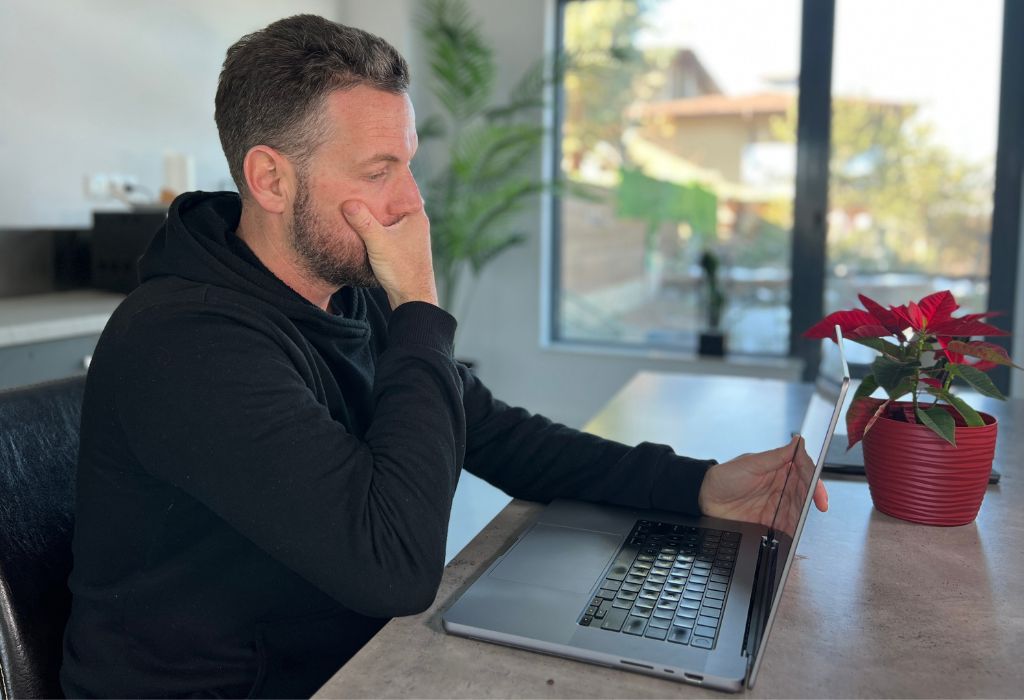
    Ireland is a place we’ve wanted to travel for many years, and finally everything just fell into place for us to visit. And not just visit, but do it in style…as digital nomads living van life in Ireland!

    Ireland lived up to its reputation of having dramatic coastlines, stunning rolling green hills, tiny villages, and plenty of places to stop and take in the views.

    travel in a campervan around ireland.

    But the van really brought an extra element to the country. We could somewhat chase the weather, be spontaneous, work from the comfortable table, and stay connected by tethering our phones for wifi.

    In this guide, I’m going to walk you through how to pick a van, the company we went with, the exact van we ended up with, and some tips we learned along the way so you can plan a better digital nomad trip around Ireland. See also: Best Jobs for Van Life

    Renting a Campervan in Ireland with Indie Campers

    Full disclosure, we rented with Indie Campers on this trip because they reached out to us and asked us if we’d like to have a campervan trip in Ireland and share our experience with our audience. I mean… who’s going to say no to that?

    But, we’ve actually rented with them before in Portugal and we know they’re a great company, so we were excited to go with them anyway.

    Even though this was a sponsored trip, we did the booking process the same as you would if you rented – so we got the whole experience. It was super simple to book the van right on their website and there are lots of add-ons as well.

    The vans are all modern and well-maintained and the pickup and drop-off went really smoothly. It only took about 30 minutes from the time we arrived to drive away and the guy who checked us in gave us a really thorough walkthrough of the van and its features.

    back doors open van in ireland

    We went with the Active Long model. It was spacious, super comfortable, and it had really nice finishes. We loved that it had a proper bed that was pretty comfy (don’t expect a king size pillow top though) and a great kitchen area, plenty of storage and central heat for the cool Irish nights.

    There was also a surprisingly comfortable workspace thanks to the seats that swivel around to a pullout table.

    Also, if you’re worried about a campervan like this being too big for roads in Ireland… it really wasn’t. If you’ve driven on narrow roads before, you’ll be fine. And if you haven’t, it’ll just take a few hours to get used to it.

    dinner in van ireland

    If I were to give a critique of the campervan experience, it would be that the pots and pans and utensils were pretty minimal and it was a bit annoying having them in a big tupperware bin in the back. It would be better if they were put in drawers with some kind of mobile home shelving to keep them from bouncing around.

    Where to Go: Our 10-Day Digital Nomad Route Through Ireland

    For this trip, we didn’t really have a strict itinerary, which is really the beauty of van life if you ask me. We actually booked this trip pretty last minute, so while we had a rough idea of where we were going, we still decided day by day where we’d go and sleep for the night.

    We started in Dublin for a night (we had a couple days in Dublin at the end of the trip), before picking up the van the next day. When we got the van, we headed south to Kilkenny, then worked our way through Nenagh, Lorrha, and along the coast to Galway.

    From Galway, we drove up to Connemara National Park and that was one of the major highlights of the trip.

    There were lots of spots that we could’ve parked the van for the night and wild camped without anyone really noticing, but we decided on a beautiful campsite called Clifden Eco Beach Camping because it was too nice to pass up.

    clifden eco camping in ireland

    After Connemara in the North, we headed south down to Doolin where we checked out the famous Cliffs of Moher, and then southwest to Dingle, then spent a few days visiting Killarney and the Ring of Kerry.

    We finished the trip by checking out Cobh and Blarney Castle before heading back to Dublin. This was a pretty extensive trip of the country, although we didn’t see Northern Ireland or the east coast, but it was easily done in 10 days.

    10 Essential Tips for Digital Nomads Doing Van Life in Ireland

    Before we did this trip, we weren’t sure how well van life and remote work would pair together in Ireland… especially in October.

    But it turned out that it worked beautifully, but there were a few things we learned along the way. If you’ve ever wanted to travel around Ireland while working from a campervan, hopefully these will help you out.

    nick working in the van ireland

    1. Sort your phone plan out before you leave Dublin.
    Ireland’s coverage is fine in cities, but once you head toward Connemara or the Wild Atlantic Way it can flip from full bars to zero. Get a local SIM or eSIM right at the start so you’re not hunting for a signal when you actually need it.

    We used our eSIM from our Revolut Account, and it was decent, but we probably would’ve had better coverage with a local SIM. If you’re traveling as a couple, both of you could get an eSIM from a different company.

    We didn’t think of it until near the end of the trip, but once we varied our eSIMs it usually meant that at least one of us always had coverage.

    2. Use rainy days as your workdays.
    Irish weather changes constantly. We eventually learned to live with the rain… work when it pours, explore when it isn’t. It keeps the whole trip relaxed instead of trying to force a plan.

    3. Expect to work from the van more than you think.
    We assumed we’d be in cafés all the time, but most days we worked right from the van because the views were better and we actually got more done. The swivel seats helped, and the quiet mornings were great to get some work done.

    We also had to shoot some reels on this trip, which would’ve been OK but the wind made it hard, even with the good mics we have! If you’re shooting videos, the inside of the van on a sunny day is actually quite good acoustically and the lighting was great too.

    4. Charge the van battery anytime you pay for a campsite.
    If you’re at a campsite with electricity, take advantage of it. Charge everything. The van batteries, laptops, cameras, power banks… all of it. You never know when the next few nights might be wild camping or when a campsite won’t have hookups.

    5. Empty greywater and blackwater whenever you have the chance.
    Seriously. Do it even if you’re only half full. There were a few times when we said we’d just wait til the next site and then the next couple of sites didn’t have the facilities so we were worried we’d fill up or run out. Not a great feeling.

    6. Bring your own pillows and bedding.
    The Indie Campers bedding works, but it’s not exactly luxury. I never travel without my pillow and a bedsheet and on this trip I was especially glad to have it. The blankets Indie gives you are warm and that makes a big difference on cold nights, but those pillows weren’t great.

    7. Bring a powerbank that actually has power.
    Between charging laptops, cameras, phones, and hotspots, having an extra battery took all the pressure off the van’s system. If you have a powerbank, bring it.

    8. Download everything before leaving bigger towns.
    Maps, Netflix, playlists, work files… all of it. Once you get into the countryside, the signal can vanish without warning. To download Google Maps, just hover over all of Ireland and type “OK Maps” into the search and it will download it to your phone so you can use it offline.

    9. Mix campsites with some wild camping
    This is something we didn’t do, but we kind of wished we did. We spent quite a bit of time in towns and villages enjoying the pubs and music, so we just stayed at nearby campsites.

    But next time I’d love to go back and do a fishing trip around Ireland where I would wild camp about 50% of the time.

    If you read up on it, it says that it’s not allowed in Ireland, but if you’re respectful and you clean up after yourself and leave early in the morning, nobody would bother you. At least that’s what the Irish people kept telling us.

    van travel around ireland having a fire by the ocean

    10. Keep the van tidy from day one.
    A tiny space gets messy fast. Once everything had a home, life got easier. Before that… we were constantly looking for keys, chargers, socks, everything.

    11. Definitely book the outdoor setup add-on.
    This comes with just two camp chairs and a lightweight table but it makes a big difference on the sunny days when you don’t wanna be in the van all the time. Every time it was sunny (and not too windy) we’d eat on our outdoor table set. Indie has them as add-ons and they’re definitely worth it.

    12. Keep a few “don’t move the van today” meals in the cupboard.
    There were days when we found the perfect parking spot and didn’t want to move the van at all… not for groceries, not for anything. Having a couple of easy meals you can cook without running around hunting for shops makes those quiet workdays possible.

    13. Build your work hours around your driving hours.
    Some driving days take more energy than you expect, especially on Ireland’s narrow country roads. On those days, we’d keep laptop time light and save the deeper work for days when we weren’t covering many kilometres.

    It’s a lot for the brain to handle if you’re staring at a road and dodging other cars for 5 hours, and then you try to work for 5 hours!

    Costs of Van Life in Ireland

    Ireland isn’t cheap, and that was one of the reasons the campervan made sense. Hotels in the popular spots can get pricey fast, so having our bed and kitchen with us took a lot of the sting out of the trip.

    driving a campervan in ireland

    We looked up some little B&Bs and stuff on the way and they were around $250 per night for a basic small room, even though we were there in the shoulder season.

    The van rental is the big expense, obviously, but it saves you on the accommodation and some meals in. Mind you, we ate out pretty much every meal still because we just love the pubs and restaurants in Ireland and we got to meet people.

    Fuel costs were OK. We filled up the van twice for around €140 each time in 10 days. Ireland looks small until you start following every scenic road and taking detours locals suggest. We drove way more than expected, but it was worth it for the price of diesel for sure.

    Campsites were usually between 35 and 46 euros for a spot with electricity, showers, and somewhere to dump the tanks.

    lunch time at a pub in ireland

    There were a few small extras…tolls, a top-up of AddBlue, a parking fee here and there. Nothing major. Overall, the van made Ireland a lot more affordable than it would’ve been hopping between hotels and restaurants every day.

    Where to Sleep With a Campervan in Ireland

    One thing we learned pretty quickly is that Ireland doesn’t have the same wild camping culture as places like the US or Canada.

    You can find the odd quiet pull-off with a great view, but they’re not everywhere, and a lot of coastal spots have signs asking campervans not to stay overnight. Because of that, we ended up mixing proper campsites with a few “found it at the last minute” places.

    Campsites were easy enough to find and most had everything we needed… electricity, hot showers, a spot to dump grey and black water, and usually a little kitchen sink area.

    Overall the quality was good at all of them and the owners were always super friendly (is there a grumpy Irish person anywhere?).

    where to stay with a campervan in ireland

    We used Park4Night a lot. It isn’t perfect, but it saved us more than once when we were arriving somewhere late and just needed a place to park without driving around in circles.

    The only place we really considered wild camping was around Connemara, but we decided against it just because there were such beautiful campsites up there.

    Still, the best campsites in Ireland are a grass field with a stunning view, and the worst are just cement parking lots crammed with campers. It’s more about using the campsite as a place to sleep and to explore from there.

    Digital Nomad Essentials to Pack for Van Life in Ireland

    Before this trip, we thought the van would have pretty much everything we needed. It has quite a bit when you book the add-ons, but of course it doesn’t have everything a digital nomad would need.

    There are a few things we were really glad we brought, and a few we wish we’d thought of earlier. If you’re planning to work from the road, these are the items that actually made a difference for us and kept the trip running smoothly.

    1. A real power bank (not a tiny one)

    If you’re staying in paid parking and charging the van every 2-3 nights, this wouldn’t matter, but if you’re wild camping, you’ll definitely want a large power bank. You’ll end up using more power than you think. A proper power bank that can charge a laptop is worth bringing from home.

    2. Your own pillows and bedding

    Like I said earlier, the rental stuff works, but it’s not great. At the very least, bring your own pillow if you can, or pick one up in Ireland for the trip.

    3. An extra long charging cable

    Outlets in vans are never where you want them to be. The van we got was pretty well set up, but I know they’re not all like that. A long cable saves you from working in awkward positions.

    4. A small extension cord or power strip

    If you’re plugged into campsite electricity, this lets you charge everything at once instead of messing around with different outlets.

    5. Phone holder for the dashboard

    You’ll rely on Google Maps constantly, and holding your phone or propping it somewhere gets annoying fast. Surprisingly, the Active Long in Ireland didn’t have any screen in the dash so… no Apple CarPlay. Luckily we still travel with phone holders.

    6. A waterproof bag for your electronics

    Ireland’s weather turns quickly. If you’re walking to a pub in the rain or hopping out for a hike, this keeps your gear safe. I love YETI for waterproof bags. I didn’t bring mine on this trip, but it would’ve been good if I had to take my gear out.

    7. Travel-sized kettle or an easy coffee setup

    The van has a stove, and it comes with a Moka Pot, but if you’re not used to making coffee in one of those, then having your own quick coffee setup makes mornings inside the van a lot smoother.

    8. Travel Power Adaptor

    Not all vans will have multi-plugs. If you’re coming from a country that doesn’t use EU style plugins, then bring your own.

    9. A second SIM or eSIM

    Coverage can jump around outside towns. Having a backup network saved us more than once.

    10. A small, lightweight laptop stand

    This is something we forgot but would’ve been great, especially for a more extended campervan trip in Ireland. If you’re going to be working a lot, then it’s always nice to look up rather than down at your screen. The table is comfortable, but it’s lower than most kitchen tables, so a stand would definitely be a bonus.

    FAQs About Van Life in Ireland

    Is it hard to drive a big campervan in Ireland?
    People always say the roads in Ireland are super narrow, but even on The Ring of Kerry, we passed big buses in our campervan and had no issue. Not once did I even have to back up to give space.

    Can you just pull over and sleep anywhere?
    Sometimes. We found a few quiet spots that felt totally fine, but it’s not a country where you can count on wild camping every night. Campsites ended up being our base most of the time.

    Do you need to book campsites?
    We didn’t book ahead at all in September/October. In summer, we’d probably plan a bit more, but shoulder season was wide open. Sometimes it was just us and one other camper in the entire site.

    Is the WiFi good enough to work?
    In towns, yes. Out in the countryside, it comes and goes. Between our own data, having 2 eSims, and the campsites wifi, we always managed.

    Does it get cold at night?
    It can. Our van had heating, which made a huge difference. And it wasn’t just a fan heater, it was central heat! If you come in October, you could live with lots of bedding (we saw some campers doing it), but it’s way more comfortable to get a van with heat.

    Any special license needed?
    Our regular licenses were enough.

    Is it safe?
    We never felt unsafe. Campsites were quiet, and the few rural spots we stayed in felt relaxed. There’s always security at the campsites as far as we could tell and Ireland is pretty safe in general I think, especially outside of Dublin.

    Final Thoughts on Campervan Life in Ireland as Digital Nomads

    This was a trip we had wanted to do forever, and we would definitely recommend doing a campervan trip in Ireland, whether you’re a digital nomad or not.

    digital nomad in ireland view from a campervan

    For us remote workers, obviously there’s a bit more to think about logistically, but it was all doable. We pretty much always had signal and the van was super comfortable to live and work in.

    IndieCampers was great to work with. The checkout and checkin was super quick and easy and honestly, this van was a lot newer than the van we had in Portugal, so we were really happy with it.

    If you’ve ever thought of visiting Ireland, or you’ve been before but you did it the traditional way in hotels and B&Bs, I highly recommend trying it with a campervan. It was a blast and I don’t think it’ll be our last time doing Ireland this way.

    I hope you found this post helpful. If you have any questions, shoot us an email from our Contact Page.

    Happy travels!

    The post Digital Nomad Guide to Van Life in Ireland appeared first on Goats On The Road.
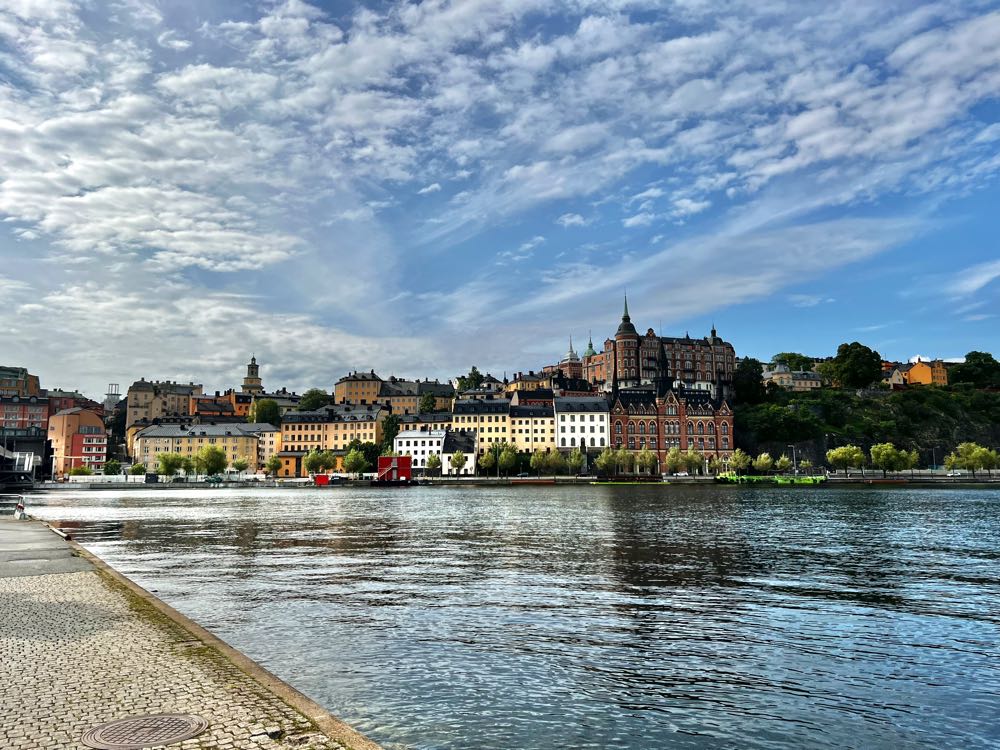
  • Our Crazy 17-Year Journey from Budget Backpackers to Digital Nomads

    Our Crazy 17-Year Journey from Budget Backpackers to Digital Nomads

    If you’ve been following us from the beginning of our journey into this freedom-filled lifestyle (since 2008!), you’ll know that we didn’t start off as coaches, bloggers, creators, or business owners. We were just two, 24-year-old budget backpackers with 65L packs, a dream of travel and freedom, and no idea where it would all lead. … Read more

    The post Our Crazy 17-Year Journey from Budget Backpackers to Digital Nomads appeared first on Goats On The Road.
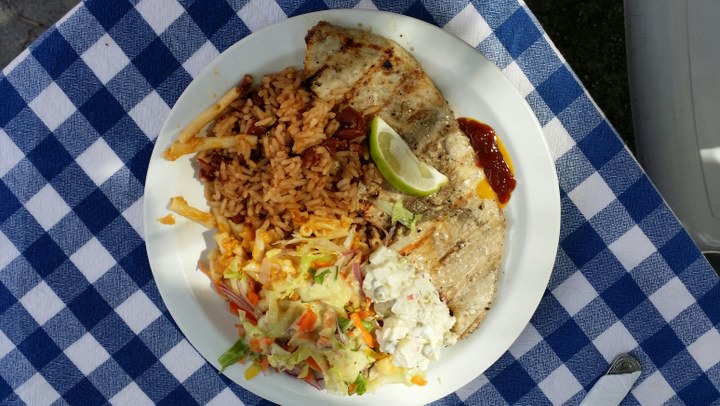
    If you’ve been following us from the beginning of our journey into this freedom-filled lifestyle (since 2008!), you’ll know that we didn’t start off as coaches, bloggers, creators, or business owners.

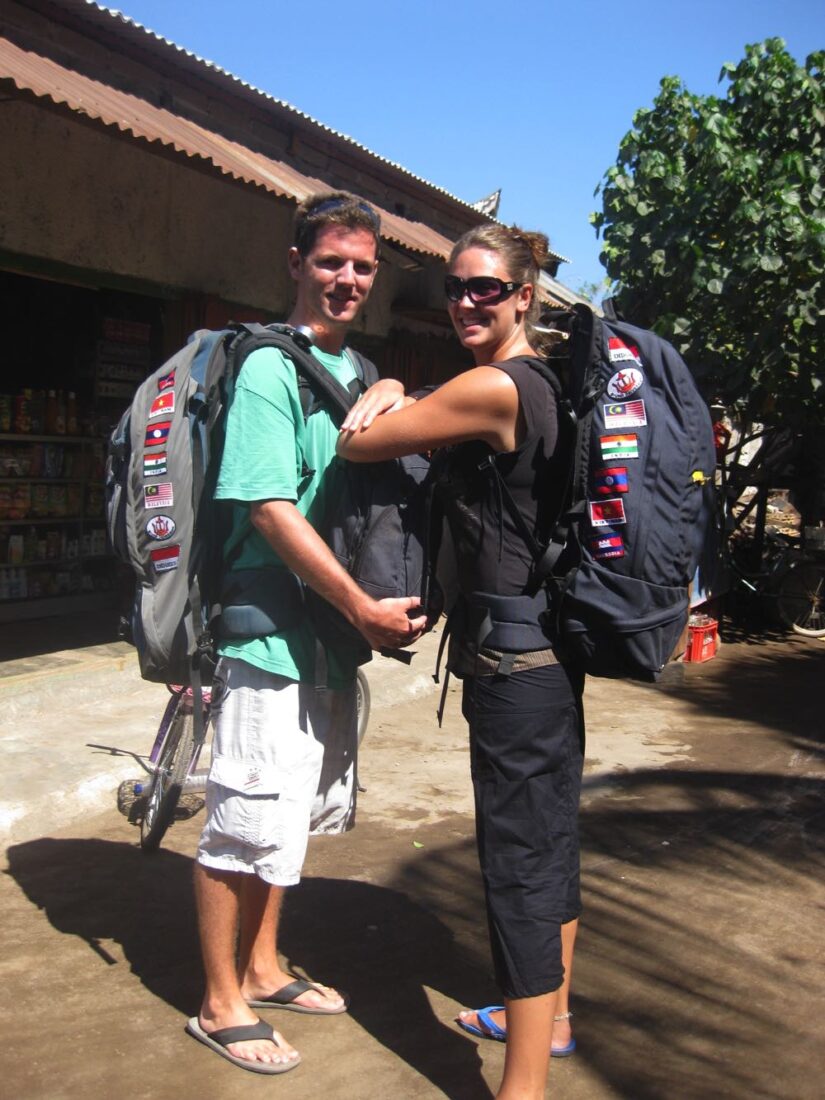
    We were just two, 24-year-old budget backpackers with 65L packs, a dream of travel and freedom, and no idea where it would all lead.

    our first trip backpacks in 2009
    Us in 2009 with our huge backpacks in Indonesia

    If you don’t know our story… here it is from 2008 to now:

    Back in 2008, we quit our jobs in Canada, sold our condominium, our vehicle, and basically everything we owned. We swapped a 9-5 at a corporate office and graveyard shifts at a packaging plant, for one-way tickets to Southeast Asia and a life of total freedom on the road.

    After that first taste of travel, we were hooked. We knew we wanted to build a life around travel…we just had to figure out how.

    colombia is one of the best visa free countries for travelers wanting to hike
    Taking a break on our hike to enjoy the view in Colombia (2016)

    Now, here we are 17 years later…more than 80 countries visited, and residents of Bulgaria. Along the way, we’ve built 4 businesses, and created 4 online courses.

    We’ve taught over 1,000 people how to launch their own personal brands…and 50 people have personally been coached by us.

    This is the story of how we went from budget backpackers to personal brand coaches, and how Goats On The Road grew, shifted, and reinvented itself over more than a decade online.

    The Backpacker Era (2008 – 2012)

    Let’s rewind a bit here. All the way back to 2008.

    Like I said, we had quit our jobs and we were backpacking around the world – living on $30 a day at one point.

    We’d sleep in bamboo huts, ride on the roofs of buses (not recommended!), and document our journey on a free blog platform and Facebook for our family and friends back home.

    During those years, we backpacked all around Asia, the Middle East, Africa, and couple of places in Europe. The longer we stayed on the road, the more we fell in love with the lifestyle.

    philippines travel
    An incredible sunset on the island of Palawan in the Philippines (2012)

    But, we had one slight problem…our money was running out!

    We didn’t want to return home. We were terrified that one day we’d have to go back to our normal jobs.

    And so when the money did start running out… I actually ended up having a meltdown on the beach in the Philippines.

    Being on the road had become our lifestyle and I couldn’t envision myself working back in Canada in an office, under florescent lighting all day.

    We needed to figure something out. And fast.

    So, we regrouped and dove head-first into figuring out a way to make money on the road doing something we loved.

    The Remote Era (2012 – 2015)

    During that time on the road, we realized we didn’t want to just travel. We wanted to earn an income abroad and build a lifestyle around freedom – to become digital nomads … keep in mind… this was before the term “Digital Nomad” was even a thing!

    I remember it like it was yesterday, we stopped in at dark internet cafe in Delhi, India. The kind of place we’d go to get a wired internet connection (this was back before hotels and hostels even had wifi, and we didn’t have a smartphone).

    It cost around $1 per hour of (very slow) internet.

    Us at the Red Fort in Delhi, 2012

    I searched “how to make money for travel” and up popped a blog post by, Johnny Ward of OneStep4Ward. He said he was making $1,500 a month from his blog!

    I turned to Nick: “Can you figure out how to build a website?!”

    And so it began!

    We ended up teaching ourselves WordPress and basic coding so we could build our website and brand “Goats On The Road” – which we started in February, 2012 from a beach hut on the island of Koh Phangan in Thailand.

    The hut in Koh Phangan where we started Goats On The Road in 2012!

    We shared our travel stories, how-to’s, photos, and videos on our blog, YouTube channel, and Facebook page.

    We didn’t know it then, but this was the beginning of our personal brand.

    While we were building up Goats On The Road, we taught English in China for a year to supplement our income. And while we enjoyed that era of our lives, teaching English was only a stepping stone for us – we knew we weren’t going to work for someone else after that.

    teaching english in china is a great way to get paid to travel
    Our year of teaching English in China was great, but we knew it would be temporary (2012 – 2013)

    Once we started creating our website, writing content and networking with other bloggers (there were only a handful of us!), we realized we really enjoyed it. We had a feeling this could have potential and we knew this would be our way to make money on the road.

    We’d be our own boss, make our own schedule, and continue our dream of travel and the unconventional lifestyle we’d been leading.

    We've Been Published in Southeast Asia Backpacker Magazine!
    After networking with brands and bloggers, we received our first in-print publication – SE Asia Backpacker Magazine! in 2013

    The Growth Era (2016 – 2018)

    Sharing online is one thing, but to turn our personal stories into an actual business, we needed real skills. So, we expanded our skillset and spent a lot of time researching and investing in courses & elearning.

    We learned SEO (search engine optimization) and were even asked to speak about it on podcasts, and at virtual events…and eventually, we created a course around it.

    We also learned email marketing and the power of social media, and of course, we continued with storytelling – something we’d been doing since 2008.

    paradise pack
    Chatting with Travis and Jason from Location Indie about our story, and how to use SEO for growth & affiliate marketing

    We kept showing up online, networking, learning and sharing. And slowly…momentum happened and it was like a snowball rolling down a hill, gathering speed and growing as it went!

    Our brand started earning real money through advertising and affiliate marketing.

    And, since Goats On The Road was well-known, with a loyal audience, and lots of visitors coming to our website each month (500,000 people/month 🤯)…tourism boards and companies flew us around the world to tell stories about their destinations and services.

    It was surreal!

    ways to get paid to travel the world
    One of our favourite press trips was to Staniel Cay in the Bahamas

    Our vision for creating a lifestyle of freedom through our own business, while sharing with others and doing something we loved was coming true.

    The little blog we built from a rickety beach hut had turned into our full-time income.

    The Education Era (2018 – 2019)

    With the business growing, we felt the next pull: teach others how to do what we do. This is what we’ve always done – we do, we master (or try to), then we teach it.

    So, we evolved again.

    We became so passionate about blogging, SEO and building a personal brand, that we wanted to share it with the world. We couldn’t believe more people weren’t doing it!

    Nick Working Blogging
    Working from a gorgeous house we rented in Ecuador (2019)

    So we started to share about how to start blogs, grow with SEO, and build personal brands. We shared about how to teach English abroad, get freelance jobs, and build online income streams.

    If we’d learned it and lived it…we shared it and taught it.

    Our SEO course was our first real paid course and the goal was to help others start and grow online brands of their own. More than 1,000 people joined our courses, and the feedback was incredible.

    (In case you’re curious: Unfortunately, we stopped selling the SEO course at the end of 2023. We feel that SEO has been taken over by AI and doesn’t have a future, so we don’t want to teach it if it’s not a viable business anymore.)

    Selling courses online to make money
    Nick recording our Blogging course

    Little by little, our students started emailing us and telling us they were earning enough money to quit jobs they didn’t love.

    They were making a side-income so they had extra money while at home, and/or, they were travelling full-time from the earnings of their brands!

    Receiving those messages was the moment it really sank in for us… that something we created could actually help someone else’s life in a meaningful way.

    It shifted everything. It wasn’t about us anymore, and that realization genuinely humbled us.

    Seeing numbers on a screen is one thing…like pageviews, followers, and analytics.

    But then, when people start emailing and saying they’d taken our courses and made enough money to quit jobs they’d been wanting to leave for years….

    … that meant the world to us.

    how to become an online tutor
    Working from a hotel with a view in Argentina (2017)

    Those years were a whirlwind. Our website was growing, our courses were doing well, and our little corner of the internet was helping people build new lives.

    It felt bigger than anything we expected when we first started out with backpacks and a dream.

    But then, the world shifted

    The Industry Shift (2020 – 2022)

    These couple of years were a challenge for everyone. But, I’m focusing on our travel industry in particular.

    A global pandemic paused all travel…and businesses related to travel really suffered during this time. With that, many of our affiliate partnerships dropped off – meaning our income took a nosedive.

    We spent 7 months in Portugal during 2020 – part of which was spent on an amazing campervan trip around the country

    On top of that, Google rolled out devastating updates which meant that our website wasn’t showing up online like before.

    New short-form video platforms became popular (TikTok), which meant that attention was moving from blogs to quick videos. Then came ChatGPT and a flood of AI tools.

    Everything changed overnight!

    We quickly realized that this wasn’t just another trend… things were changing and we had to pivot if we wanted to keep doing this job we love.

    We had to evolve again.

    legit online jobs Travel Blogging in portugal
    Working in Lagos, Portugal at our apartment

    Most people panicked, and so did we for a bit, but our panic didn’t last long. We had built numerous skills over the years and could pivot. We just didn’t know how at first – then it hit us.

    Diversifying our Income

    With travel at a standstill, and no one searching for travel related things, we decided to create two new brands around two topics that weren’t related to travel.

    The topics were two of Nick’s passions: fly fishing and guitars.

    Fly fishing at the river big trout
    Nick turned his passion for fly-fishing into a business.

    We were nervous to start something new, but let’s be honest, we had a lot of time on our hands!

    We built up a website, Instagram, YouTube channel and email list for the fly fishing website, and for the guitar/string instrument website, that was mostly just a review site and didn’t have a social media presence.

    Within just a couple of months, we saw growth with the fly fishing brand. This was definitely exciting and gave us the push to keep going.

    During this time, we also pivoted Goats On The Road to focus more on the remote work and ways to make money online side of things, rather than focusing on the travel aspect of our brand.

    And it started growing again.

    We also started spending more on social media, email, and YouTube. Effectively diversifying our business across more platforms than just the blog.

    working on blogging on my laptop on website
    Nick working on building up his new online brand during lockdown

    During this period, we learned the hard way that platforms can collapse. Algorithms can change. Affiliates can come and go. World events can effect everything. Entire business models can disappear.

    But there was an upside and positive takeaway to our experience: we remembered that our personal brand, our story, our skills, and our knowledge are things that no platform or pandemic can touch.

    The Coaching Era (2023 – Present)

    Towards the end of 2023 and start of 2024, we felt the online world as we knew it was about to completely change. For better or worse, AI was here to stay, and video was (is) the medium of choice.

    Ironically, 2023 was our best year ever financially. But we still felt like there was a shift coming.

    So instead of clinging to what used to work (blogging & SEO), we leaned into what we were good at and what we’ve always been about: Helping people lead a freedom-filled lifestyle, while earning money doing something they love.

    But this time, we wanted to have more of a connection with our audience and followers, and really provide more hands on guidance.

    That’s when our next era began.

    creator kickstarter program with Goats On The Road
    We now teach others what we’ve learned over our 13 years in the online space

    We took everything we know from over a decade of making money from what you know, building personal brands, growing social media, email marketing, and creating digital products and services…

    …and turned it into a new venture: Creator Kickstarter Coaching Program. It’s a blended model with the “3 Cs”: Coaching, Course & Community. We offer live calls with us, pre-recorded course material, and a private community.

    At first, we were super nervous and unsure if anyone would even be interested. What if we launched this program, but then nobody joined?! We were honestly so worried.

    We had an application form, and then would hop on Discovery Calls if we felt like the person would be a good fit for the program.

    Goats On The Road Coaching - Creator Kickstarter Course
    Geared up for our very first a coaching call with our new clients and community members!

    Like most people feel when starting something new, we felt that imposter syndrome creep in, followed by self doubt. Who were we to teach this?!

    Not to mention, doing live calls was something totally new for us and it was definitely out of our comfort zone.

    It’s crazy how the mind can trick you into believing you’re not good enough – no matter how many skills, or years of experience you have.

    We’ve been running the Creator Kickstarter Program and Community for almost 2 years now… and we’ve had 50 amazing people enter into our community!

    On a client call with some of the members of our Creator Kickstarter Program

    We teach people what we’ve lived over the years: that freedom comes from building a business based on who you are.

    We love helping people grow impactful brands that in turn, help others. Helping people help people – that’s the ripple effect. And it’s the most meaningful chapter of our journey so far.

    The Future

    If we’ve learned one thing over our many years in this industry, it’s that you need to be able to evolve and pivot in the online space, and most importantly: personal brands aren’t going anywhere.

    And actually, the online coaching and e-learning markets are projected to grow significantly over the next 5 – 10 years…making this a massive opportunity for anyone building a personal brand and offering courses or coaching.

    We’ve been feeling it for the past few years now. We’re definitely entering the biggest shift the internet has ever seen – and the people who start sharing their story now will be the ones leading the space later.

    podcasting for business exposure and to share our story
    On a podcast to share our story and the entrepreneurial journey

    Those who build a personal brand today will be the ones with the freedom to travel, work from anywhere, and run a business that doesn’t rely on a single platform, or doesn’t get taken over by robots.

    This is why we’re so passionate about showing people how to launch their brands, step by step.

    As you can tell from reading this article, these past seventeen years have been a wild ride for us. We’ve adapted and reinvented our business(es) multiple times, and brought you along every step of the way.

    Thank you for being here as we continue to evolve and share with you! Who knows what the next era will bring…

    The post Our Crazy 17-Year Journey from Budget Backpackers to Digital Nomads appeared first on Goats On The Road.
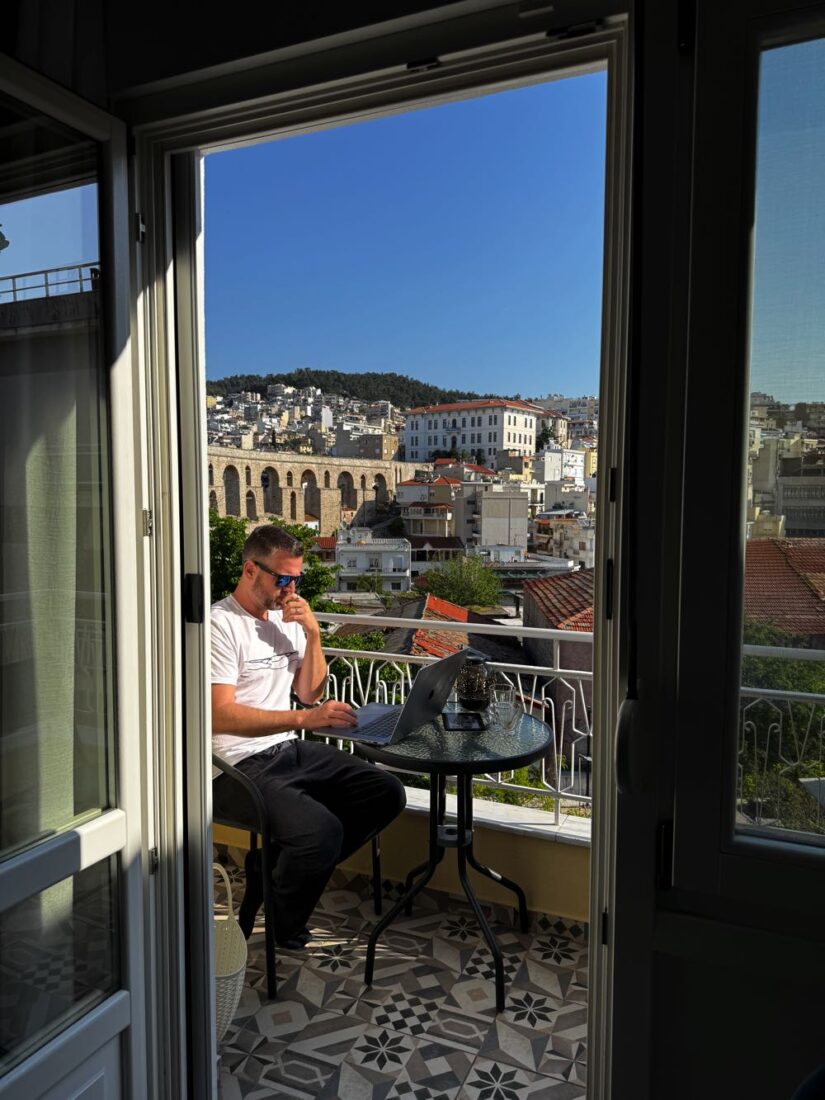
  • A Backpacker’s Budget Guide to Navigating Old and New Delhi

    A Backpacker’s Budget Guide to Navigating Old and New Delhi

    A budget friendly guide to Old and New Delhi. From affordable food and stays to easy transport and essential backpacker hacks.

    The post A Backpacker’s Budget Guide to Navigating Old and New Delhi appeared first on Goats On The Road.
    Delhi, India’s huge capital, is a beautiful paradox where old heritage meets contemporary ambition. This makes it a great place for budget-conscious tourists to visit. Delhi is an amazing place for travelers who are ready to brave its crowded streets, fragrant spice shops, and stunning landmarks. Plus, it won’t break the bank. This city rewards those who accept its complexity with wonderful memories and surprisingly cheap experiences, whether you’re meandering through the winding streets of Old Delhi or admiring the colonial grandeur of New Delhi.

    Understanding Delhi’s Two Souls

    To make the most of their time in Delhi, travelers must know that the city has two very different sides. Mughal Emperor Shah Jahan built Old Delhi in the 17th century. It is a busy area with small streets, ancient sites, and busy markets where tradition rules. British architect Edwin Lutyens built New Delhi in the early 1900s. It has broad boulevards, huge parks, and big government buildings that show how ambitious the British were when they colonized India. Understanding this difference helps travelers make smart decisions about where to stay and what to do depending on the kind of setting they want.

    Getting There and Airport Transfers

    Indira Gandhi International Airport in Delhi is the main airport for foreign and local visitors. The Airport Express Metro Line is the cheapest route to go to downtown Delhi. It links the airport to New Delhi Railway Station and Connaught Place and takes about 20-25 minutes. If you’re planning to fly to Delhi, you may want to look into Almosafer Flights for good prices and discounts that might help you save money right away. Local buses also run from the airport to different sections of the city, but these take a lot longer and may be hard to figure out for first-time tourists.

    Where to Stay – Accommodation for Every Budget

    Paharganj (The Backpacker Hub)

    Paharganj, which is close to New Delhi Railway Station, is still the best place for backpackers since it has so many hostels, affordable hotels, and travel agencies. Hostels like Zostel and Hosteller Delhi are popular because they include clean rooms, shared kitchens, free Wi-Fi, and chances to meet other travelers. The region is full of life, has a lot of restaurants providing food from all over the world, and has great metro access to attractions in both Old and New Delhi.

    Connaught Place (Central and Connected)

    Backpackers looking for a nicer place to stay with greater facilities may find mid-range hostels and guesthouses in Connaught Place. This circular market area from the colonial period is in the middle of everything, has cleaner streets, and seems more cosmopolitan. The YWCA International Guest House is a great deal since it has big rooms, free breakfast, and a secure place to stay.

    Old Delhi (Immersive Experience)

    If you stay at Chandni Chowk, you’ll be in the middle of old Delhi, close to Jama Masjid, Red Fort, and great street food. The lodgings here are more rudimentary, but they’re real and very cheap. Private rooms at guesthouses are available. The continual activity, the call to prayer from Jama Masjid, and the tiny streets all make for a very cultural experience.

    Getting Around – Transportation Hacks

    Delhi Metro (Your Best Friend)

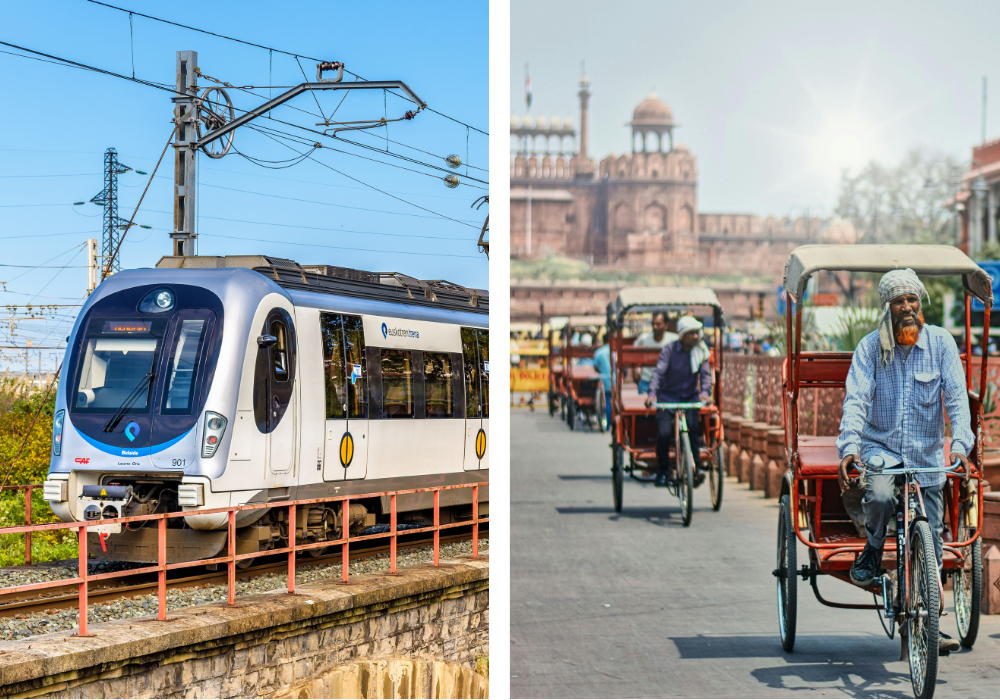
    The best way to bypass this huge city is the Delhi Metro. It’s cheap, fast, and pleasant. Metro prices vary depending on how far you go. They cover most major attractions and areas. You can also buy a metro card at any station kiosk and fill it with some money to avoid having to wait in line for tokens every time you ride. Don’t get the tourist card since it doesn’t function on all lines and isn’t worth the money. The metro runs from around 6 AM to 11 PM. At busy times, trains come every few minutes.

    Dehli transportation options Metro and Rickshaw

    Auto-Rickshaws and Walking

    Auto-rickshaws are a great way to get around neighborhoods for short distances, and they’re affordable. To prevent arguments, always ask for the meter or settle the price before you leave. Walking is still the ideal way to see places like Chandni Chowk, Paharganj, and Connaught Place, where you can find hidden treasures and talk to people. Uber is also available around Delhi and has very low pricing.

    Read Next: Backpackers Guide To Transportation in India

    Exploring Old Delhi – Historical Immersion

    Jama Masjid (Architectural Grandeur)

    In 1656, Shah Jahan built the Jama Masjid, which is the biggest mosque in India. Anyone may come for free, no matter what religion they are. Dress modestly with covered shoulders and legs, remove shoes before entering, and consider climbing the southern minaret for a little admission charge to experience amazing panoramic views of Old Delhi’s chaotic roofs and busy streets. To really see the big courtyard that can house 25,000 people, go when there aren’t any prayers going on.

    Red Fort (Mughal Magnificence)

    This UNESCO World Heritage Site was the royal seat of Mughal rulers for approximately 200 years and features exquisite red sandstone architecture. There’s an entry charge and the facility is open from 9.30 AM to 4.30 PM every day except Mondays. You should plan on spending two to three hours seeing the numerous palaces, museums, and gardens in the big complex. The nightly light and sound show, which costs extra, brings Mughal history to life with a dramatic narrative.

    Chandni Chowk (Sensory Overload)

    Chandni Chowk is one of the biggest wholesale marketplaces in Asia. There are a lot of stores on its short lanes that offer anything from spices to gadgets, which may be a lot to take in. You don’t have to pay to get in, and simply meandering around these historic streets may keep you occupied for hours. Go in the early morning (7–9 AM) to avoid the bustle and observe the market come to life. Kinari Bazaar is a great place to buy wedding supplies. Dariba Kalan is a great place to buy jewelry. Khari Baoli is Asia’s greatest spice bazaar, and it smells beautiful because of the mountains of turmeric, pepper, and cardamom.

    Paranthe Wali Gali (Food Heaven)

    This renowned little lane in Chandni Chowk has been making filled parathas since the 1870s. There are various family-run businesses that serve parathas loaded with potatoes, paneer, cauliflower, radish, and even sweet fillings like rabri. You may eat them with sour chutneys, yogurt, and pickles. This affordable, filling supper is a perfect illustration of how good true Delhi cuisine can be.

    Jama Masjid and Red Fort in New Delhi

    Navigating New Delhi – Colonial Legacy

    India Gate and Rajpath

    India Gate is a 42-meter-high military monument that commemorates Indian warriors. It is New Delhi’s most recognized landmark and is free to visit. The gardens surrounding the neighborhood are wonderful locations to enjoy a picnic, and in the evenings, merchants provide food and ice cream. The vast Rajpath avenue extends from India Gate to Rashtrapati Bhavan (the Presidential Palace), showcasing Lutyens’ superb city design.

    Humayun’s Tomb (Architectural Inspiration)

    This exquisite mausoleum from the 16th century, which inspired the design of the Taj Mahal, requires an admission fee for tourists. The UNESCO World Heritage Site has exquisite Mughal gardens, intricate marble inlay work, and quiet landscapes excellent for afternoon wandering. Taking images is free, but filming videos costs more. Go during the golden hour before sunset, when the red sandstone sparkles beautifully.

    Qutub Minar (Medieval Marvel)

    The Qutub Minar complex is the highest brick minaret in the world, at 73 meters. The archeological region around it has ancient iron pillars, wrecked mosques, and stone sculptures that are hundreds of years old. Plan on spending one to two hours visiting this UNESCO World Heritage Site in South Delhi.

    Connaught Place (Colonial Circle)

    Robert Tor Russell, a British architect, constructed this circular market where you may freely explore Georgian-style colonnaded buildings, merchants from throughout the world, and Indian handmade emporiums. The central park has cultural events, and the region is a transit hub with great metro access. It doesn’t cost anything to look at things in windows, observe people, or absorb the colonial ambiance.

    India Gate and Qutub Minar in New Delhi

    Food – Eating Well on a Budget

    Street Food Adventures

    Delhi’s street food scene has the best prices and most authentic dishes. Golgappe, or pani puri, are crispy hollow puris filled with spicy tamarind water, potatoes, and chickpeas. They are Delhi’s most famous snacks and can be found almost everywhere. Aloo tikki are spicy potato patties that are fried till crispy and served with chutneys and yogurt and are a great snack. Chole bhature, a full breakfast or lunch is a spicy chickpea curry with fluffy fried bread you should definitely try.

    Where to Eat Safely

    Stick to busy vendors where residents line up, which will make sure the food is fresh and lower the danger of foodborne illness. Bengali Market in Connaught Place, Kamla Nagar, and Sarojini Nagar Market are all great places to get a lot of street cuisine. Aslam Chicken Corner in Old Delhi serves famed kebabs, nihari (slow-cooked beef stew), and butter chicken. Always have hand sanitizer with you, drink bottled water, and stay away from raw veggies at first until your stomach gets used to it.

    Hostel Kitchens and Free Meals

    Many hostels include shared kitchens where travelers may cook meals using items they buy at local shops. This cuts food prices a lot. Some hostels provide complimentary breakfast, and eating supper with other visitors gives you a chance to share meals and stories with them. You may buy fresh fruits and vegetables in local supermarkets and vegetable markets for very little money.

    Read Next: The Best Vegan Food Dishes in India

    Free and Low-Cost Activities

    Temple Hopping

    Delhi has hundreds of beautiful temples that are mostly free to enter. Some of the most famous ones are the huge Akshardham Temple complex (which is closed on Mondays), the Lotus Temple with its unique flower-like architecture, and the colorful Gurudwara Bangla Sahib, which welcomes everyone and serves free vegetarian meals. These places are tranquil escapes from the tumult of Delhi and show off a wide range of religious architecture.

    Walking Tours

    There are free walking tours in places like Nizamuddin Basti that are guided by expert guides who work for tips. These tours teach you about the area’s culture, history, and architecture. Self-guided excursions through Hauz Khas Village, Mehrauli Archaeological Park, and Lodhi Gardens are free and show you the many layers of Delhi’s history.

    Parks and Gardens

    Lodhi Gardens is a 90-acre park with 15th-century tombs set among well-kept lawns and walking trails. It is free to enter and is a popular place for runners and picnickers in the morning. In South Delhi, the Garden of Five Senses has free creative landscapes and cultural areas.

    Money-Saving Tips for Backpackers

    Bargaining Essentials

    Negotiation is expected in markets; start at 40-50% of the advertised price and conclude at 60-70%. Don’t show too much attention, be ready to go, and shop where locals do instead of establishments that cater to tourists. If you want clear pricing, fixed-price government stores are a great place to get high-quality handicrafts without having to haggle.

    Timing Your Visit

    Visit in the shoulder seasons (February-March or September-October) when the weather is nice but there aren’t as many tourists. This typically leads to better bargains on places to stay. Stay away from the hottest months of summer (May to July) when temperatures may reach above 40°C and the fog in winter (December to January) can make travel hard.

    Combo Tickets and Student Discounts

    Some archeological sites provide combination tickets that let you see more than one monument for a lower price. International Student Identity Cards (ISIC) provide you with discounts on several attractions and transportation. Even if they aren’t promoted, always inquire about student discounts.

    Safety Considerations for Budget Travelers

    Common Scams to Avoid

    Be careful of gem scams where polite individuals ask you to send gems overseas for money, auto-rickshaw drivers say your hotel is full and suggest other options, and false travel companies in Paharganj. Always book your lodgings via trusted sites, utilize metered transportation, or agree on fares ahead of time. If something doesn’t seem right, follow your gut.

    Staying Healthy

    Only drink bottled water, don’t put ice in your beverages, and don’t go crazy with street food right away. Bring a basic medical kit containing antiseptic, anti-diarrheal medicine, and rehydration salts. Many people who backpack have modest stomach problems in the first few days. This is natural and normally goes away as your body gets used to it.

    Solo Female Travelers

    Delhi is a place where solo women need to be extra careful, yet thousands of women travel securely by taking simple steps. Wear clothes that protect your shoulders and knees, don’t travel alone late at night, use an app to get around instead of hailing a cab on the street, and stay in hostels that other women travelers have spoken nice things about. The YWCA and women-only dormitories provide more safety and a sense of community.

    Read Next: How To Prepare For Travel In India

    Cultural Etiquette and Respect

    Dress Appropriately

    Delhi is rather conservative outside the nicer sections. When you go to religious locations, be sure to cover your shoulders and legs. Take off your shoes before entering a temple or mosque. Dressing modestly also keeps others from staring at you and demonstrates respect for the local culture.

    Photography Permissions

    Always ask anyone, particularly ladies, whether you may take their picture. Some religious places don’t allow photos within sanctums or demand a fee for them. You can’t take pictures at military bases or metro stations.

    Conclusion

    Delhi gives daring travelers amazing experiences that are a mix of historical grandeur, cultural authenticity, and amazing low prices. At first, the city’s turmoil is too much to handle, but soon it shows patterns, rhythms, and acts of compassion that turn perplexity into interest.

    Backpackers may see a lot of Old and New Delhi while spending a lot less than in most other world capitals if they plan ahead, are aware of other cultures, and are open to new experiences.

    The experiences of navigating Delhi’s contradictions, ancient monuments next to contemporary metros, street food carts next to luxury hotels, and noisy bazaars that open into peaceful gardens, make tales that last long after the trip is over.

    The post A Backpacker’s Budget Guide to Navigating Old and New Delhi appeared first on Goats On The Road.
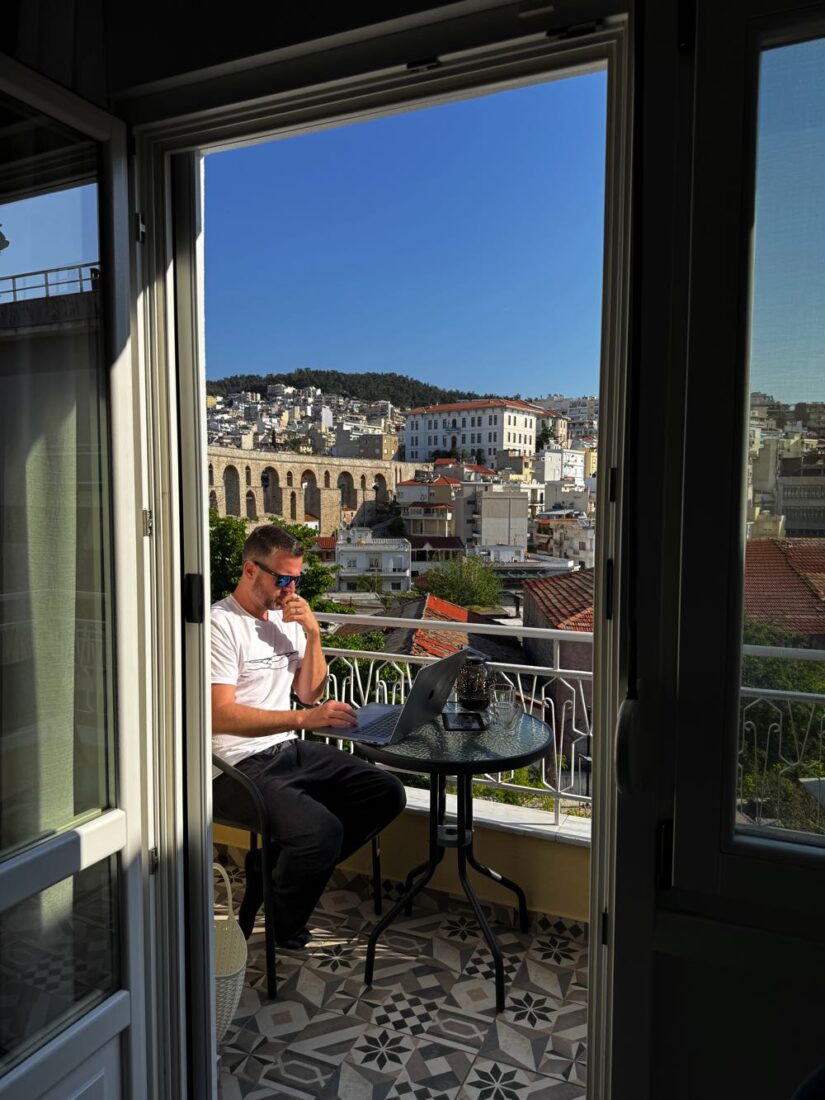
  • 10 Ways To Avoid Burnout as a Digital Marketer

    10 Ways To Avoid Burnout as a Digital Marketer

    Simple ways to boost your mental health as a digital marketer. Including meditation, gratitude, self-care, healthy sleep tips and more.

    The post 10 Ways To Avoid Burnout as a Digital Marketer appeared first on Goats On The Road.

    Jobs in digital marketing can be straining, and unfortunately there’s no magic wand to make them less demanding. You’ve probably been told to take more breaks, go for some walks, or spend less time on social media. Maybe you’ve even wondered whether a mental health app might help. 

    Whatever it looks like for you, your mental health matters. Here’s why.

    Why Your Mental Health as a Digital Marketer Matters

    Taking care of your mental health as a digital marketer isn’t optional, it’s a necessity. But neither is it a trend or something that you’ll find in industry guidelines. The field is demanding: constant adaptation, emotional resilience, relentless creative output, juggling responsibilities, little acknowledgment and a lack of stability. 

    Digital marketing is one of the few careers where there is no strict line between personal worth and professional success. Here are some marketing-related challenges that contribute to the that mental strain:

    • Oversaturation and instability. Regardless of whether you’re freelance or in-house, inconsistent income and unstable job security are all too common. Especially in today’s financial climate.
    • Information overload. The expectation to stay on top of every trend, tool, new platform and algorithm shift creates a lot of pressure.
    • Emotional labor. Managing clients, campaigns, and audiences requires empathy. Yet, at the same time, digital marketers rarely receive the same compassion in return. Just more pressure from the audiences, clients or management.
    • Lack of validation. Creative roles are all too easily dismissed as “non-essential.” Which can make some people start to wonder if the work they do even matters.
    • Work-life imbalance. Notifications tend to be happening 24/7 and many of us struggle with drawing a boundary and switching off.

    Then there’s the less common stressors such as inconsistent job opportunities, workplace harassment, imposter syndrome, and the high expectations from yourself. Combined together these factors create the perfect storm for burnout, which although temporary, can be deeply detrimental to mental health.

    On the other hand, having good mental health boosts confidence, creativity and adaptability. And it’s these traits that function as armor in an unstable world of digital marketing. So in an industry built on drive and constant change, taking care of it matters way more than high KPIs.

    Digital Marketer Burnout

    How To Avoid Burnout as a Digital Marketer

    1. Practice mindfulness

    Meditation often gets a reputation for being “too hard” or “unsuitable for beginners.” Not true. But even then, you might not take to it straight away. And that’s okay, because here’s the thing, transcendence in meditation and mindfulness practices is a stereotype. In order to be mindful, you basically have to pay full attention to what you’re doing at the moment. 

    Even that creative flow state that digital marketers love is a form of meditation. It’s just not a version that you can rely on consistently without having some level of mindfulness in daily life.

    The real benefit of mindfulness is that you disrupt automatic behaviors and thoughts that can accumulate throughout the day, creating anxiety, overwhelm and mental fog. 

    But if sitting still in the quiet to meditate sounds unappealing to you, you can start with something smaller and less pressure.

    • Devote a few minutes to just focusing on your breath going in and out.
    • Pay attention to how your body feels while doing everyday tasks. E.g. In the shower, notice how the water sounds, how warm or cool it feels and where it hits your skin.
    • Use gentle guided exercises or calming games if you prefer something more interactive. 

    Self discovery apps such as Breeze Wellbeing offer simple tools and exercises such as “mindful breathing” that make it easier to get into the habit without it being like you’re doing “proper meditation”.

    2. Choose activities that make you happy

    When we do things we love, we’re happier. This is as clear as a fine day, but we also tend to forget this simple truth. We know why this happens: we are just too focused on putting out fires. There’s a deadline here, an important project there and then all our daily needs stacked on top. And so we often just forget to do something nice just for ourselves.

    This doesn’t mean that digital marketing isn’t an enjoyable profession. It absolutely can be. You meet a ton of people, and you can combine your analytical, technical, and creative inputs. However, almost every individual experiences a “crisis period” in their profession where the passion fades. It doesn’t mean you hate your job. More likely it’s accumulated stress, burnout, or long term overwhelm wearing you down.

    There’s no universal checklist on what to do to become happier because it depends on your interests. It may be that you yourself don’t know what makes you happy. In that case, journaling can help. By making small observations about yourself every day, you create a bigger picture of who you are as a person. Including what makes you happy.

    solo hiking in nature

    3. Work on your sleep habits

    Sleep is a primary need for anyone working a desk job – especially in digital marketing where your brain is constantly on. Sleep is also one of the needs that you can’t compensate for. If you slept just 3 hours last night, you can’t just “catch up” on it. No amount of caffeine, power naps or sheer will power will truly replace it (especially health-wise).

    One way to make sleep improvements is to try different routine planning tools when you break down something huge into small and approachable steps. Here’s an example with sleep. 

    The big objective is to improve sleep; here’s how to break it down into smaller daily goals:

    • No gadgets 20 minutes before bedtime.
    • Open windows to let some fresh air in.
    • Drink mint tea or another calming drink.
    • Set your phone in “do not disturb mode.”
    • Turn on white or brown noise to fall asleep.   

    4. Have regular me-time

    Some people may say “I’m an introvert. I always have alone time outside of work”. It’s actually very healthy and 20-30 minutes of solitude is even recommended for most people to reset and reflect on their days. What’s important is that the alone time is of high quality.

    Digital marketing work can make life feel noisy and hectic: being quiet and alone is a cure for that. Just remember though, it shouldn’t feel lonely or like you’re abandoned. If it does, those feelings are worth exploring with the help of a mental health professional.

    In order to take the most value out of alone time, you can also try affirmations. And really try to believe in them. E.g. for the affirmation “you deserve rest,” imagine how you’re relaxing, how your body feels, what emotions appear. You don’t have to earn rest. It’s a right, not a reward.

    5. Spend time with people

    Digital marketing can be one of the most “lonely” professions out there, oddly enough. Yes, you may be in and out of meetings, but those quick and impersonal task focused conversations don’t compensate for that real human dialogue. For anyone working remotely, it’s even tougher.

    Even the most introverted individuals need some social interaction. It’s basic human biology, we need others around us to thrive. Most of us need to feel like we belong and are a part of society. 

    6. Share hugs and touch

    Physical affection like hugs, holding hands or even a reassuring pat on the shoulder feels good for a reason. When it’s welcome and consensual, touch triggers a release of feel good hormones, especially oxytocin. 

    Oxytocin is often called the “bonding hormone” because it makes us feel calm and safe. And so is one of the reasons a hug can make you breathe easier and feel more grounded. It reminds your nervous system you’re supported and not going through stress alone.

    7. Practice gratitude

    Do this small exercise: recall yourself from a year ago. You were different, right? Maybe you weren’t as experienced or hadn’t gone through certain challenges yet. And look at yourself now. 

    There are always things to be grateful for. And we should start by being grateful to ourselves. It’s we who left the comfort zone, tried to be better and kept going. 

    If you’re having trouble immediately recalling reasons to be thankful, know that is normal and common. Start with the small stuff. Write down a tasty meal you made yourself or a captivating TV show you watched recently.

    Your gratefulness shouldn’t center only around work achievements, but also around you being a real person with needs and problems. Eventually, gratitude journaling teaches your mind to notice good things more easily and feel more content with your life in general.

    realaxing in a hammock with a nice view

    8. Cut down on digital overload

    You already probably spend most of your worktime on a computer or phone. You don’t need to bring more screens and buttons into your private life.

    Digital marketing often means spending days looking at the posh lifestyles and luxuries of others. This puts you at higher risk of developing FOMO. It’s unconscious; we don’t control how we may compare ourselves to celebrities. But because of this, we can feel envy, resentment, anger, disappointment, injustice, and simply being dissatisfied with our own life.

    If you can recognise yourself in that, try cutting down on digital use at least at home. Curate your personal feed to be more oriented toward mental health rather than influencers. You may find it hard to give up your phone completely. In this case, replace social media with something less triggering, like motivational podcasts.

    9. Eliminate sources of stress

    Meditating, doing yoga and walking, are all useful strategies that help cope with stress. But they are still just strategies. If possible, try to address the root cause of your stress.

    For most of us, it’s impossible to just get rid of it completely because we can’t just remove work or kids from our lives when they are causing stress. However, if you are stressed when reading the news or interacting with certain colleagues that ruin your day, you can more easily remove or reduce those triggers.

    A common fear amongst digital marketers is: “If I eliminate my source of stress, I’ll be unemployed”. But not every stressful workplace is toxic and unfortunately, stress is a part of almost every modern job. In those situations the goal isn’t to run away but instead to build coping skills or change your mindset about stressors such as positive nihilism or stoicism.

    exploring New York

    10. Try new things

    We can have a million excuses not to leave our comfort zone. But ironically, outside of our comfort zone, is often where we can find the most happiness. You don’t need to quit your job and go travel the world. As always, the small but consistent changes are more important. 

    Don’t have any ideas? Here are some accessible and easy things you can try to spice your routine up:

    • Try being a vegan/vegetarian for a week (only if your health allows it).
    • Take a self discovery test – Breeze’s anxiety test can show you where you need a slow down (not a diagnosing tool). 
    • Support a newbie author by reviewing their book (look up Reddit threads on this).
    • Do a course in something other than digital marketing for once.
    • Go to a nearby city without a plan and just see what happens.

    Final Words

    Taking care of your mental health is surrounded by lots of strange misconceptions. Some even think marketers came up with “self-care” themselves to make more money. Others believe that only people with mental health disorders need to devote time specifically to mental health. Or that doing something just for the sake of mental health is unnecessary or indulgent. 

    These ideas are leftovers from the past. Modern lifestyle and work, especially in digital services, create new challenges and pressures. And we need to address them. Whether you use a mental health app or literally anything else that feels right for you, the important part is that you take your mental health seriously.

    Think about it: If you break your arm, everyone will agree you deserve rest and compassion. But when you’re overwhelmed or mentally burnout? People act like you should just push through it. The truth is that you do deserve compassion. And it has to start with you.

    The post 10 Ways To Avoid Burnout as a Digital Marketer appeared first on Goats On The Road.

  • Digital Nomad Guide to Living in Scandinavia

    Digital Nomad Guide to Living in Scandinavia

    Your complete digital nomad guide to Scandinavia: best cities, co-working spots, living costs, transport, safety and useful budgeting tips.

    The post Digital Nomad Guide to Living in Scandinavia appeared first on Goats On The Road.

    You close your laptop, throw on your backpack and step outside. The air’s cool and smells like pine with just a hint of snow. Somewhere out across the fjord, you can hear birds singing. That postcard-perfect scene? It’s not a dream… It’s Scandinavia.

    If you’re a digital nomad, you’re always chasing that sweet spot – getting work done without life passing you by. Denmark, Sweden, and Norway have found their way. Yes, Finland and Iceland, we recognize you, but this guide focuses on the classic Scandinavian trio.

    Here’s the thing: life in Scandinavia isn’t cheap and it isn’t easy. But it catches you off guard in the best way.

    There’s a rhythm here, a gentle enrichment. Cities that function well, forests that invite you in, and cafés that make you stay longer than you intended.

    In this article, discover what life as a digital nomad is like in Scandinavia through this detailed guide.

    Let’s dive in…

    Why digital nomads fall for Scandinavia

    It’s not just the scenery, though the scenery is impressive. It’s the vibe. It feels calm, simple, and connected to nature. People who come here tend to fall in love for reasons that feel all too human:

    Infrastructure that actually works

    It’s easy to take for granted until you’ve spent a month in a place where none of it exists. Then, somehow, even a busy meeting starts to feel strangely peaceful.

    It’s a real work-life balance

    Scandinavians actually leave work at work. They don’t just say it on LinkedIn. Vacations are important, and breaks are enjoyable. This attitude can influence your choices. You might end up taking a two-hour lunch or strolling to a park for no particular reason.

    Safe and clean lifestyle

    Pollution? Minimal. Crime? Rare. Respect for public spaces? Common sense. Leave your laptop on the café table while you run to the bathroom – don’t freak out, as chances are, it’s still there.

    Creativity is in the air

    From design and architecture to tech and music, inspiration leaks from every corner. You’re a designer? You’ll sketch more here in a week than you did in a month elsewhere. A coder? Try staring at a fjord instead of a blank wall and see what ideas pop up in your brain.

    So if you’re craving:

    • A slower, more peaceful pace;
    • A life close to nature;
    • Cities that don’t make your head spin;
    • Welcoming nomad communities;
    • Actual work-life balance;

    …Scandinavia might be your jam.

    The best digital nomad bases in Scandinavia

    The “big three” capitals are obvious starting points: Copenhagen, Stockholm, and Oslo. Each has its own thing going on that you’ve got to try.

    Copenhagen, Denmark

    Bikes are everywhere, cozy cafés are the norm and everyone seems to have mastered a relaxed kind of style. You can find English spoken almost everywhere. And the coworking scene? Thriving.

    Why you’ll love it:

    • Chic, comfy coworking spaces;
    • Calm, relaxed culture;
    • Danish food that’s a mix of hearty and modern;
    • Excellent public transport;
    • Walkable and bikeable.

    Copenhagen will test your wallet, no doubt. But cook a few meals, ride a bike, maybe crash on a couch – and suddenly the city feels less like a budget nightmare and more like a place you can settle into.

    Stockholm, Sweden

    There’s fourteen islands connected by bridges and ferries that make up Stockholm, a city so photogenic it hardly feels real. Even from a coworking space, the view is so perfect that it could be a postcard. Plus it just has this quiet sense of purpose in the air.

    Why Stockholm works:

    • A city intertwined with nature;
    • Social coworking hubs;
    • Entrepreneurial buzz;
    • Stunning mix of old and new architecture;
    • Efficient public transport.

    Heads-up: winters are long and dark. But the mix of cozy apartments, sauna sessions, and friendly nomad communities will save your sanity for sure.

    stockholm sweden

    Oslo, Norway

    Oslo is the quiet sibling. Smaller, less international, but with access to fjords and forests that will make you question every city you’ve ever lived in. English is widely spoken. The nomad community is small but mighty.

    Perks of Oslo:

    • Startup and freelancer hub;
    • Nature is basically your backyard;
    • Incredible hiking trails;
    • One of the safest countries to visit;
    • Compact, with great transport.

    Alright, small reality check before you start dreaming of Norway: it’s expensive. Like, “maybe I should just eat oatmeal for dinner” expensive. Eating out? That’s basically a mini celebration. And winter? Don’t forget to pack thick socks… and a sense of humor. You’ll need it.

    A cost-of-living snapshot of Scandinavia

    Look, Scandinavia never claimed to be a “cheap getaway”. But if you’re organized–and maybe a little thrifty–it’s doable. Here’s a rough idea of what a low-end digital nomad lifestyle costs per month (shared rent, coworking, groceries, a tiny bit of fun):

    • Denmark: $2,500–$3,000. Renting a bike is the norm, but taking trains or buses is actually enjoyable here.
    • Sweden: $2,300–$2,800. Groceries are a bit friendlier on the wallet here, and you get that sweet spot between comfort and cost.
    • Norway: $2,700–$3,200. Yep, it’s the priciest–but the fjords will make you forget the $50 breakfast.

    Pro tips to survive without selling a kidney: cook your own food (yes, even simple pasta dinners count), hop on a bike instead of a cab, and try the off-season.

    Earn a decent European-level remote salary? You’re golden. But planning to live on a shoestring budget? Good luck, you’ll need it.

    Is Scandinavia safe for digital nomads?

    Oh yes. Denmark and Norway? Basically, the poster kids for chill, low-crime countries.

    While there’s been some talk about gang crime in Sweden lately, honestly, it’s still one of the safest places you can visit. As long as you stick to normal spots and don’t do anything daft, you’ll be just fine.

    Petty theft is rare. Forgot your wallet on a café table? Chill–it’s probably still there when you come back. Respecting public spaces and each other is a tenet of Scandinavian life that they take seriously.

    Petty crime is rare, but data theft is not…

    That said, just because you’re safe doesn’t mean your data is too. Cafés, coworking spots, trains – all those free Wi-Fi networks are common hangouts for hackers. The good news is, it’s pretty simple to keep your remote workspace safe.

    • Two-Factor Authentication (2FA) – yes, it’s a pain. But trust me, your future self will thank you.
    • Passwords – if it’s something you can remember without looking, it’s probably too easy. Sorry, human brain – time to trust in a password manager.
    • VPN on public networks – think of it like putting your data in a little invisibility cloak. Fancy, right?
    • Backups – because you’re a digital nomad and stuff breaks and disappears.

    Picking the right season to visit Scandinavia

    Timing is everything. Summer in Scandinavia? Glorious. Winter? Brutal. Don’t make the mistake of arriving in July and thinking, “I’ll work all day outside,” then forgetting sunscreen exists. Or arriving in January, thinking “How bad can a little winter be?” and then realising darkness is a lifestyle here.

    Summer: The season of never-ending light

    From May to August, the sun doesn’t quit. You can easily work until 8 p.m. and think it’s still early evening. People are outside constantly, parks are packed, and the cafés? Full of digital nomads with laptops and iced coffee. Productivity feels weirdly natural and addictive during summer.

    • Work whenever you like: Thanks to the long daylight hours, you can work whenever it suits you best – start at 6am or finish at 11pm, it won’t feel strange at all here.
    • Vitamin D overload: Sunlight everywhere – on a hike, a bike ride, or in a sauna (yes, seriously).
    • Northern adventures: The midnight sun in Norway is not a tourist gimmick – it’s pure magic.

    Winter: The season of stillness

    Then there’s winter. Daylight lasts like six hours. The rest is dark and cold. Some people love this stillness; others spiral into a weird seasonal gloom. It’s fair to say, if you thrive in a dark room all alone, you’ll kill it in Scandinavian winter. If you’re more a sun chaser you might want to look elsewhere.

    • Embrace hygge: Candles, blankets, tea, and comfort food. Here in Scandinavia, it’s not a cliché; it’s actually a survival mechanism.
    • Pick a bright workspace: No, really. Your future self will thank you when your mood doesn’t drop at 2 p.m.
    • Use the quiet: Writers, coders, and anyone who enjoys focus will thrive. Fewer crowds, fewer distractions, and a perfect reason to stay inside or just watch the snow fall outside for inspiration.

    The thing is summer charges you up and winter grounds you, but both make you rethink what “balance” even means. It’s a bit of a test sometimes, but also kind of the whole reason to do it, right? That’s where the fun adventure is.

    Close up of ski low angle.

    6 must-visit coworking spaces in Scandinavia

    Especially in winter – when daylight feels like a rare sighting and your motivation has left the country – these spots are lifesavers. When you get sick of chic cafes and latte art (if you ever do), try these coworking spaces to recover your productivity.

    1. Nomad Workspace: Copenhagen, Denmark

    It’s one of those places that gives off strong “I know what I’m doing” energy, even if you’re just winging it. There are plants tucked into every corner, moveable desks that make everything feel easy, and a stripped-back, minimalist calm that does something good to your head.

    2. Republikken: Copenhagen, Denmark

    If Nomad Workspace is zen, Republikken is its hyperactive cousin who drinks too much coffee. Freelancers, startups, random creatives bouncing ideas around – it’s lively. It’s often a surprise if you leave without making a new connection.

    3. Impact Hub: Stockholm, Sweden

    Looking to meet people? Impact Hub is like a magnet for anyone who likes talking about “impact,” sustainability, and start-ups. Time your visit with a workshop; you’ll leave with business cards and a few new friends.

    4. The Park: Stockholm, Sweden

    Bright, social, cozy, and perfect when the Stockholm winter blues hit. Memberships are flexible, and coffee is strong. The building itself is honestly an interior designer’s dream, showcasing the simple beauty of Scandinavian architecture.

    5. Mesh Youngstorget: Oslo, Norway

    Modern, clean, with a classic startup energy. Networking events happen often, so if you’ve been secretly dying to pitch your app to a random UX designer, this is your shot. Warning: You might spend more time talking than working.

    6. Epicenter: Oslo, Norway

    Epicenter is for remote workers seeking structure and quiet focus. They also host loads of networking sessions, business events, and even a weekly bootcamp in their Epicenter Gym.

    6 top day trips and nature escapes in Scandinavia

    Okay, real talk: sometimes your laptop dies, but sometimes your brain dies from staring at your laptop too long. Time to escape. Luckily, Scandinavia is basically designed for this. Here are some places that will make you go, “Whoa… I live here now?”

    1. The North Zealand Coast, Denmark

    One hour from Copenhagen. Castles, tiny fishing villages and windswept dunes – it’s all here. Grab lunch down by Gilleleje harbor and feel like a local in no time. Just maybe skip trying out Danish unless you’re ready for a very polite, but utterly confused stare.

    2. Møns Klint, Denmark

    White chalk cliffs, turquoise water, and a staircase that feels like it never ends. About 500 down you’ll find a beach so pretty you won’t believe your eyes. So yeah, whilst your legs will scream, your eyes will thank you. Pro tip: don’t count the steps.

    3. Stockholm Archipelago, Sweden

    Astonishingly, this gorgeous spot has around 30,000 islands and most are almost completely covered in forest. So you can hop on a ferry, find a tiny cabin and pretend you’re living in a Nordic fairy tale for a weekend. Just remember to pack snacks unless you want to swim to the nearest shop.

    4. Tyresta National Park, Sweden

    Twenty kilometers south of Stockholm. Old pine forests, crystal lakes, and trails that start at the bus stop. You can unplug for a day or camp overnight under trees that have existed longer than most countries. Nothing else on earth is quite like it.

    5. Bymarka Forest, Norway

    Known as Trondheim’s backyard wilderness. There are trails, lakes, and wild spaces literally everywhere you look. In winter everyone’s out skiing, the rest of the year it’s hiking on the agenda. It’s the kind of place that makes you understand why Norwegians really value their accessibility to nature.

    6. Sognefjord, Norway

    “King of the Fjords” isn’t just marketing. Mountains, glaciers, waterfalls, fjords branching into fjords – it’s insanely dramatic. Even a one-day cruise will leave you in awe. Train or ferry from Oslo or Bergen, bring snacks, and maybe a spare SD card to take 1000 photos.

    Denmark shoreline landscape

    Transportation options in Scandinavia – the basics

    It’s kind of ridiculous how easy it is to get around in Scandinavia. Clean trains, punctual buses, ferries, bikes everywhere – basically, no excuses not to explore.

    • Trains: Backbone of the system. Look out the window – it’s mesmerizing. Book early via DSB, SJ, or Vy to save a few bucks.
    • Buses: For small towns, nature spots, places trains don’t go. FlixBus, VyBus, and Nettbuss are all solid.
    • Flights: Fast, but will make your wallet cry. Best for northern adventures.
    • Ferries: More than transport – mini scenic cruises where you can sip coffee and pretend you’re on a Netflix travel show.
    • Bikes: Seriously. Copenhagen is basically a biking Disneyland. Hop on two wheels and instantly feel like a local.

    Scandinavia: A digital nomad’s paradise?

    Look, Scandinavia is not cheap and you certainly can’t just “wing it on $20/day”. But if you can pull it off, it’s worth it for the almost effortless calm. Scandinavian life is incredibly rewarding and even the busiest of cities feel like they’ve been designed to give you space to think, breathe and actually enjoy your day.

    Copenhagen, Stockholm, Oslo – safe, grounded, with coworking spaces and wilderness right at your doorstep. Enough quiet for focus, with enough stimulation for creativity. Coffee, bikes, fjords, and friendly people – what more does a digital nomad need?

    If you’re looking for a nomad base that nourishes your brain and your soul, Scandinavia delivers in full.

    The post Digital Nomad Guide to Living in Scandinavia appeared first on Goats On The Road.

  • Finding Your Perfect Caribbean Island for a Peaceful Weekend Trip

    Finding Your Perfect Caribbean Island for a Peaceful Weekend Trip

    Your weekends feel so hectic. It is high time to leave the work and plan a weekend trip to get some respite. For such a trip, I prefer a Caribbean island. This isn’t your normal vacation where you run around all the time. Instead, you can ditch your phone for something much better. You’ll find … Read more

    The post Finding Your Perfect Caribbean Island for a Peaceful Weekend Trip appeared first on Goats On The Road.

    Your weekends feel so hectic. It is high time to leave the work and plan a weekend trip to get some respite. For such a trip, I prefer a Caribbean island. This isn’t your normal vacation where you run around all the time. Instead, you can ditch your phone for something much better. You’ll find real peace and quiet.

    Choosing Your Island

    Picking the right island is important. The one you choose needs to feel right for you. Here are some things to think about when you pick.

    Getting There Should Be Easy.

    It is up to you to either plan a short getaway or a long weekend cruise with a reputable company like Celebrity Cruises. Look for islands where you can fly right from your city. Or maybe you can find a cruise that won’t make you wait at airports for ages. Time is a big deal when you only have a few days.

    What Vibe Do You Want?

    Some islands have parties all night long. Others are very quiet. You know what is best for you to be calm and happy. Do you want to spend your time meeting people or prefer to be alone?

    food in barbados

    What Are the Activities That Let You Unwind.

    Many Caribbean islands offer yoga and spas. But some are much better for wellness than others. If you dream of doing yoga on the beach or getting a massage, make sure your island has these things.

    Nature Adventures.

    Maybe you want to swim with colorful fish. Or hike in a jungle. Some islands even have hot springs. Each place offers different outdoor fun. Figure out what you like most.

    A Hike To The 7 Sisters Waterfall In Grenada

    What’s Your Budget?

    You don’t need a super fancy place to have a peaceful trip. But you should know how much money you want to spend. Some people love special little hotels. Others like resorts where everything is included. You can go with your liking and the available finances. 

    The Best Islands for a Weekend Reset

    Lots of islands are out there. But these are the ones that are really great for a peaceful weekend trip.

    St. Lucia: Where Nature Meets Wellness

    Visit St. Lucia to enjoy the scenery and participate in wholesome activities. BodyHoliday and Jade Mountain let you perform yoga, tai chi and guided walks. Spa treatments are also a part and parcel.

    The hikes around Soufrière give a very good feeling. Try the Tet Paul Nature Trail. People call it the “Stairway to Heaven.” You will definitely love the picturesque views of the Pitons mountains and chill in the mineral-rich Sulphur Springs.

    The food is fantastic too. You’ll find local places serving fresh, farm-to-table Caribbean-Creole food. Orlando’s in Soufrière is good. So is 5 Fingers Restaurant at Fond Doux Eco Resort. Want something fancy? Book a table at Dasheene at Ladera Resort.

    Barbados: A Laid-Back Island Life

    This island nation may not have a lot of wellness retreats. But the beautiful views and chill vibe make up for it and there are still so many things to check out in Barbados.

    The sunrises here are magic. You could go for an early morning walk on Rockley Beach, kayaking in Carlisle Bay and find hidden spots. Andromeda Botanic Gardens let you enjoy a slow, peaceful walk.

    new years resolution ideas travel more to the caribbean

    The evenings are for you if enjoy nightlife activities. St. Lawrence Gap has most of the bars. Holetown is known for stylish lounges.

    For food, go to beachfront cafés. You’ll find things like plant-based bowls, grilled fish, and desserts with local rum. Try Café à la Mer and Café Luna Barbados. Champers Restaurant has a great terrace with an ocean view.

    Dominica: The Ultimate Nature Island

    Dominica, the Caribbean’s “nature island”, is ideal to absorb peaceful landscapes.

    Need time to think? Go into the rainforest. Hike part of the Waitukubuli Trail. It’s the longest hiking path in the Caribbean. Wotten Waven and Trafalgar Falls are great spots to relax in sulphur pools. They are surrounded by tropical plants.

    Try snorkeling at Champagne Beach. Volcanic bubbles come up through the water there. It’s very cool. Don’t like hiking or water? Take a boat ride on the Indian River. The silence under the trees is something you won’t forget.

    When you’re hungry, check out Keepin’ It Real or Pagua Bay Grill. The fresh seafood is so good. Many eco-lodges near Secret Bay grow their own food if you want a farm-to-table meal.

    Grenada: The Spice Island Experience

    Grenada, the “Spice Island”, is for you if you need to recharge. The best things to do in Grenada happen in or near the water.

    You must see Molinere Bay. It has an underwater sculpture park! With simple snorkeling gear, you can explore the statues and marine life. For relaxing, go to Grand Anse and La Sagesse Beach.

    things to do in grenada visit the north end of the island
    Bathway Beach

    You can’t leave Grenada without experiencing what the island is best known for – the spices! Take some time to visit a few spice and chocolate estates where you’ll get to taste local nutmeg, cinnamon, and cacao. It’s amazing for your senses! Go to Belmont Estate and Laura’s Herb & Spice Garden.

    Food lovers should try Fish Fridays at Dodgy Dock in Gouyave. You can take a local cooking class and eat some incredible food.

    Aruba: Desert Island Wellness

    Aruba doesn’t have a ton of wellness spots. But the resorts that do have them are very good. Manchebo Beach Resort & Spa and Bucuti & Tara Beach Resort know what they’re doing.

    They have daily yoga and meditation on Eagle Beach. They also offer wellness classes and healthy food near calm waters. Arikok National Park is best for easy hikes and seeing wildlife. The park covers almost 20 percent of the island. You’ll see cacti, caves with old drawings, and awesome coastal views.

    Aruba is perfect for a peaceful trip. But you can still have fun if you want. Palm Beach and downtown Oranjestad have bars, clubs, and tasty cocktails.

    For good food, try The West Deck and Elements Restaurant at Bucuti & Tara.

    Nevis: Quiet Luxury at Its Best

    Nevis is all about being private and quiet. You’ll find small inns and old plantation houses that have been fixed up. Chef-made meals allow you to fully enjoy local ingredients and herbs.

    Visit the Botanical Gardens and the Nevis Peak foothills for walks and watching birds. A boat ride in Pinney’s Beach lagoon is a great way to spend a couple of hours.

    The food on Nevis is meant to be enjoyed slowly. You can really savor the local ingredients. Luna Restaurant and Bananas Restaurant have a relaxing feel with amazing food. For history with your meal, try Montpelier Plantation & Beach. It serves fancy food in an old sugar farm.

    Antigua: Warmth and Natural Charm

    Antigua welcomes everyone with its warmth. This peaceful island naturally makes you want to take a deep breath and relax.

    Many places offer sunrise yoga and pilates. Curtain Bluff Resort and Carlisle Bay are two popular places to stay.

    Want to connect with nature? Walk through Fig Tree Drive rainforest to treat your eyes to banana trees, wild mango trees, and hundreds of tropical birds. A kayak is accessible at the shore to check the mangroves at North Sound Marine Reserve.

    For food, the best bet is Catherines Café in Pigeon Point. Their Mediterranean-Caribbean food with seasonal ingredients is a good choice. Papa Zouk Fish and Rum is known for its fresh fish and creative island spices.

    How to Plan Your Peaceful Weekend

    A peaceful weekend is about slowing down all the way. You want to be fully present and not try to fit everything in. You would want to go back home with fresh feelings.

    Best Beaches in The Caribbean-4

    Weekend travelers would really find the following tips handy.

    Don’t Pack Your Schedule.

    I know you want to see every attraction you have never been to. But this is the opposite of relaxing.

    Take your time instead and visit a maximum two peaceful activities for each day. Leave a lot of time with no plans. This space lets you really relax, wander, or take those naps you’ve been wanting at home.

    Start and End with Purpose.

    When is the last time you were alone, really alone, with your thoughts only? Or think about your life? Or just exist without doing anything?

    yoga instructor salary

    Start mornings with gentle practices like yoga or writing in a journal. This can change your whole day. You can do these things in the evenings too. Just 20 minutes a day makes a difference.

    Pick Wellness Experiences.

    Try to choose places to stay that already offer wellness things. Or at least stay somewhere close to these activities.

    When you are close to spas, hiking areas, and water activities, it is easier to relax. This makes these things a large portion of your trip, rather than an afterthought.

    Use Food to Heal.

    One of the best aspects of traveling is trying new food in new islands. Another way of being mindful during your short trip is to enjoy local flavors slowly.

    travel grenada independently
    Grenadian Food – Top: Roti, Bottom Left: Oil Down, Bottom Right: Star Fruit

    Find out about food options in your area of stay before you book. Also, search local restaurants. Find restaurants that cook with local and fresh ingredients to get the most authentic and healing food.

    Put Your Phone Down

    It is difficult to prevent looking at our phones. However, unplugging is something you should aim at in case you want to be mindful.

    You do not need to keep your phone off throughout the weekend. Checking it once a day will give you the chance to feel the island. You will also be more conscious of what you think.

    Find Time to Yourself.

    In case you are accompanied by a partner or a friend, make time to be alone. Mindfulness is highly individualistic. A short period alone will make your journey even better. Even a 15-minute individual stroll will do miracles.

    Your Island State of Mind.

    A peaceful weekend is all about taking every step slowly and absorb the surroundings. The Caribbean lets you do that. You only need to find an island you are more attracted to. Don’t bring too much stuff. Make a plan with a goal. Let your island remind you how nice it feels to be right there in the moment. Your perfect Caribbean weekend is waiting! All you have to do is slow down to find it.

    The post Finding Your Perfect Caribbean Island for a Peaceful Weekend Trip appeared first on Goats On The Road.

  • 10 High-Paying Remote Jobs for College Students

    10 High-Paying Remote Jobs for College Students

    Remote jobs aren’t just for digital nomads! What about those students who are currently at school, but are looking to travel and live abroad once they graduate? College tuition and travel isn’t cheap, so earning money matters. The good news is that today’s high paying remote jobs let students do just that without sprinting across … Read more

    The post 10 High-Paying Remote Jobs for College Students appeared first on Goats On The Road.

    We’re so excited to announce the date of our upcoming, free, LIVE event! We’ve been workshopping, planning and testing things out for the past couple of months and are ready to bring this to you.

    If you joined us for the Future Vision Event, you already know…our live sessions aren’t just motivational. They’re actionable, interactive, and designed to get you moving. This one’s no different, it’s called The Shift.

    During The Shift, we’ll be live in realtime, and to get the most out of it, you’ll want to be there too. But if you can’t make it, you still need to register in order to get the replay. Spots are limited, click here to sign up.

    Why We Created The Shift

    We created The Shift because, well… the world is shifting, and fast – can you feel it? And I don’t mean the doom and gloom stuff…

    …there are SO many positive things happening right now!

    • AI is shaking up traditional careers, and when used correctly, can be an excellent tool.
    • The knowledge economy is exploding.
    • With all of the noise online, people want real guidance, real stories, real humans! Not influencers or fake content.
    • People are turning what they already know into income, offers, and communities online.

    It’s the perfect time to take matters into your own hands, and create a life that’s yours – one where you’re not reliant on others, one that brings you joy, one that helps people.

    working from laptop in greece
    Make money from what you know and love..then work from Greece 😉

    We constantly receive emails and messages on our social media accounts from people looking for more freedom in their lives, and wanting to start something of their own. But, they feel like they don’t know where to start.

    Or, they’ve tried and it just hasn’t worked out. Of course, we have our close proximity, paid coaching group, but we wanted to offer something for free so the rest of our community can benefit from what we know as well.

    You’re Probably Already Doing It

    You might not realize it yet, but you’re probably already doing the thing that could become your first offer!

    Take us for example, we turned our love for travel and making money remotely into Goats On The Road. We took our skills of knowing how to build websites & SEO into digital courses and products.

    Nick took his passion for fly fishing and built it into a successful online brand. He even took his interest of music and guitars and turned it into a music affiliate website.

    And for the past 1.5 years, we’ve taken our expertise and experience of turning what we know into income, and built our Creator Kickstarter Coaching program to help people do just that!

    creator kickstarter program with Goats On The Road
    We now teach others what we’ve learned over our 12+ years in the space

    Think about it for a second. Have you ever:

    • Supported a friend through a breakup or big decision?
    • Planned a trip down to the last detail?
    • Helped your colleagues with tech stuff?
    • Shared advice people always come back to you for (skincare, budgeting, fashion, job interviews, gardening, cooking, etc.)?
    • Been through a big life experience and came out the other side (weight loss, divorce, menopause, relocation, addiction, trauma, etc.)?

    Or maybe you’ve:

    • Posted on social media?
    • Written emails?
    • Recorded videos?
    • Taken photos?

    All of those things are valuable! It means you have experience, and it’s the beginning of a way for you to make an income doing something you’re already know – which is the whole point.

    The Shift is for you if…

    1. You’re craving freedom (time, location & financial)
    2. You want to be proud & excited about what you’re working on (not drained)
    3. You want to build something of your OWN!
    4. You want to help and serve others and have an impact on people’s lives.
    5. You’ve thought about launching a brand, sharing your story, or turning your skills into something meaningful – but you just don’t know where to start.

    If you said “yes” to even one of these, you’ll want to join us! Click here to sign up (it’s free).

    What’s Included

    Even though this is a free event, we always “bring it” when going live, hosting a call, and when coaching our clients inside the Creator Kickstarter and Remote Goats Community!

    So you know it’s going to be valuable and packed with inspiration and actionable steps. Here’s what’s included:

    1. A free, live, 2-hour event hosted by us personally.
    2. Clarity on your direction.
    3. Discovering how your passions, skills, knowledge & life experiences can be turned into an income.
    4. How to finally start the thing you’ve been thinking about!
    5. Simple steps to creating your first offer (coaching, digital product, course, community, etc.)
    6. A roadmap to turn your vision into income.
    7. Free replay of the event if you register.
    8. Special bonus if you show up live and stick around until the end of the call 😉

    How to Join

    This event is open to anyone who is ready for a change in their life. To be the architect of their reality. To create a life that’s pulling them towards their BIG vision for their ideal future.

    If you’re ready to learn how to package up what you already know and sell it online…all you need to do to join is click here and sign up. Then, you’ll receive an email with all the details on the date, time and what to bring.

    See You There!

    We’ve been where you are – maybe feeling like there has to be more to life, and wanting a change – but not sure exactly where to start. The Shift is something we wished we had back in 2008 when we started our freedom-filled lifestyle and were trying to figure things out on our own.

    But, we’ve been through it all so you don’t have to. Think of us like a launchpad to get you from where you are to where you want to be – much faster than if you try to figure it out yourself…aka, Googling around aimlessly 🫣

    Since 2008, we’ve travelled to 80 countries, started 5 remote businesses, and helped thousands of people make money online based on what they know, do and love.

    Once we decided to bet on ourselves, to follow our hearts and ultimately, take a leap towards the big vision for our future, everything fell into place…and we want that for you, too.

    Are you ready for a shift? 😉 Click here to save your seat!

    The post Join The Shift: Turn What You Know into Income appeared first on Goats On The Road.

  • Time Management Tips for Students Working Online While Traveling

    Time Management Tips for Students Working Online While Traveling

    Student travel can be exciting… but when combined with online classes and freelance gigs it quickly turns chaotic. Good time management serves as a student’s compass to stay on course and on target. In the first few days on the road, learners often discover that free Wi-Fi is not always free and that local attractions … Read more

    The post Time Management Tips for Students Working Online While Traveling appeared first on Goats On The Road.

    We’re so excited to announce the date of our upcoming, free, LIVE event! We’ve been workshopping, planning and testing things out for the past couple of months and are ready to bring this to you.

    If you joined us for the Future Vision Event, you already know…our live sessions aren’t just motivational. They’re actionable, interactive, and designed to get you moving. This one’s no different, it’s called The Shift.

    During The Shift, we’ll be live in realtime, and to get the most out of it, you’ll want to be there too. But if you can’t make it, you still need to register in order to get the replay. Spots are limited, click here to sign up.

    Why We Created The Shift

    We created The Shift because, well… the world is shifting, and fast – can you feel it? And I don’t mean the doom and gloom stuff…

    …there are SO many positive things happening right now!

    • AI is shaking up traditional careers, and when used correctly, can be an excellent tool.
    • The knowledge economy is exploding.
    • With all of the noise online, people want real guidance, real stories, real humans! Not influencers or fake content.
    • People are turning what they already know into income, offers, and communities online.

    It’s the perfect time to take matters into your own hands, and create a life that’s yours – one where you’re not reliant on others, one that brings you joy, one that helps people.

    working from laptop in greece
    Make money from what you know and love..then work from Greece 😉

    We constantly receive emails and messages on our social media accounts from people looking for more freedom in their lives, and wanting to start something of their own. But, they feel like they don’t know where to start.

    Or, they’ve tried and it just hasn’t worked out. Of course, we have our close proximity, paid coaching group, but we wanted to offer something for free so the rest of our community can benefit from what we know as well.

    You’re Probably Already Doing It

    You might not realize it yet, but you’re probably already doing the thing that could become your first offer!

    Take us for example, we turned our love for travel and making money remotely into Goats On The Road. We took our skills of knowing how to build websites & SEO into digital courses and products.

    Nick took his passion for fly fishing and built it into a successful online brand. He even took his interest of music and guitars and turned it into a music affiliate website.

    And for the past 1.5 years, we’ve taken our expertise and experience of turning what we know into income, and built our Creator Kickstarter Coaching program to help people do just that!

    creator kickstarter program with Goats On The Road
    We now teach others what we’ve learned over our 12+ years in the space

    Think about it for a second. Have you ever:

    • Supported a friend through a breakup or big decision?
    • Planned a trip down to the last detail?
    • Helped your colleagues with tech stuff?
    • Shared advice people always come back to you for (skincare, budgeting, fashion, job interviews, gardening, cooking, etc.)?
    • Been through a big life experience and came out the other side (weight loss, divorce, menopause, relocation, addiction, trauma, etc.)?

    Or maybe you’ve:

    • Posted on social media?
    • Written emails?
    • Recorded videos?
    • Taken photos?

    All of those things are valuable! It means you have experience, and it’s the beginning of a way for you to make an income doing something you’re already know – which is the whole point.

    The Shift is for you if…

    1. You’re craving freedom (time, location & financial)
    2. You want to be proud & excited about what you’re working on (not drained)
    3. You want to build something of your OWN!
    4. You want to help and serve others and have an impact on people’s lives.
    5. You’ve thought about launching a brand, sharing your story, or turning your skills into something meaningful – but you just don’t know where to start.

    If you said “yes” to even one of these, you’ll want to join us! Click here to sign up (it’s free).

    What’s Included

    Even though this is a free event, we always “bring it” when going live, hosting a call, and when coaching our clients inside the Creator Kickstarter and Remote Goats Community!

    So you know it’s going to be valuable and packed with inspiration and actionable steps. Here’s what’s included:

    1. A free, live, 2-hour event hosted by us personally.
    2. Clarity on your direction.
    3. Discovering how your passions, skills, knowledge & life experiences can be turned into an income.
    4. How to finally start the thing you’ve been thinking about!
    5. Simple steps to creating your first offer (coaching, digital product, course, community, etc.)
    6. A roadmap to turn your vision into income.
    7. Free replay of the event if you register.
    8. Special bonus if you show up live and stick around until the end of the call 😉

    How to Join

    This event is open to anyone who is ready for a change in their life. To be the architect of their reality. To create a life that’s pulling them towards their BIG vision for their ideal future.

    If you’re ready to learn how to package up what you already know and sell it online…all you need to do to join is click here and sign up. Then, you’ll receive an email with all the details on the date, time and what to bring.

    See You There!

    We’ve been where you are – maybe feeling like there has to be more to life, and wanting a change – but not sure exactly where to start. The Shift is something we wished we had back in 2008 when we started our freedom-filled lifestyle and were trying to figure things out on our own.

    But, we’ve been through it all so you don’t have to. Think of us like a launchpad to get you from where you are to where you want to be – much faster than if you try to figure it out yourself…aka, Googling around aimlessly 🫣

    Since 2008, we’ve travelled to 80 countries, started 5 remote businesses, and helped thousands of people make money online based on what they know, do and love.

    Once we decided to bet on ourselves, to follow our hearts and ultimately, take a leap towards the big vision for our future, everything fell into place…and we want that for you, too.

    Are you ready for a shift? 😉 Click here to save your seat!

    The post Join The Shift: Turn What You Know into Income appeared first on Goats On The Road.

  • Join The Shift: Turn What You Know into Income

    Join The Shift: Turn What You Know into Income

    We’re so excited to announce the date of our upcoming, free, LIVE event! We’ve been workshopping, planning and testing things out for the past couple of months and are ready to bring this to you. If you joined us for the Future Vision Event, you already know…our live sessions aren’t just motivational. They’re actionable, interactive, … Read more

    The post Join The Shift: Turn What You Know into Income appeared first on Goats On The Road.

    We’re so excited to announce the date of our upcoming, free, LIVE event! We’ve been workshopping, planning and testing things out for the past couple of months and are ready to bring this to you.

    If you joined us for the Future Vision Event, you already know…our live sessions aren’t just motivational. They’re actionable, interactive, and designed to get you moving. This one’s no different, it’s called The Shift.

    During The Shift, we’ll be live in realtime, and to get the most out of it, you’ll want to be there too. But if you can’t make it, you still need to register in order to get the replay. Spots are limited, click here to sign up.

    Why We Created The Shift

    We created The Shift because, well… the world is shifting, and fast – can you feel it? And I don’t mean the doom and gloom stuff…

    …there are SO many positive things happening right now!

    • AI is shaking up traditional careers, and when used correctly, can be an excellent tool.
    • The knowledge economy is exploding.
    • With all of the noise online, people want real guidance, real stories, real humans! Not influencers or fake content.
    • People are turning what they already know into income, offers, and communities online.

    It’s the perfect time to take matters into your own hands, and create a life that’s yours – one where you’re not reliant on others, one that brings you joy, one that helps people.

    working from laptop in greece
    Make money from what you know and love..then work from Greece 😉

    We constantly receive emails and messages on our social media accounts from people looking for more freedom in their lives, and wanting to start something of their own. But, they feel like they don’t know where to start.

    Or, they’ve tried and it just hasn’t worked out. Of course, we have our close proximity, paid coaching group, but we wanted to offer something for free so the rest of our community can benefit from what we know as well.

    You’re Probably Already Doing It

    You might not realize it yet, but you’re probably already doing the thing that could become your first offer!

    Take us for example, we turned our love for travel and making money remotely into Goats On The Road. We took our skills of knowing how to build websites & SEO into digital courses and products.

    Nick took his passion for fly fishing and built it into a successful online brand. He even took his interest of music and guitars and turned it into a music affiliate website.

    And for the past 1.5 years, we’ve taken our expertise and experience of turning what we know into income, and built our Creator Kickstarter Coaching program to help people do just that!

    creator kickstarter program with Goats On The Road
    We now teach others what we’ve learned over our 12+ years in the space

    Think about it for a second. Have you ever:

    • Supported a friend through a breakup or big decision?
    • Planned a trip down to the last detail?
    • Helped your colleagues with tech stuff?
    • Shared advice people always come back to you for (skincare, budgeting, fashion, job interviews, gardening, cooking, etc.)?
    • Been through a big life experience and came out the other side (weight loss, divorce, menopause, relocation, addiction, trauma, etc.)?

    Or maybe you’ve:

    • Posted on social media?
    • Written emails?
    • Recorded videos?
    • Taken photos?

    All of those things are valuable! It means you have experience, and it’s the beginning of a way for you to make an income doing something you’re already know – which is the whole point.

    The Shift is for you if…

    1. You’re craving freedom (time, location & financial)
    2. You want to be proud & excited about what you’re working on (not drained)
    3. You want to build something of your OWN!
    4. You want to help and serve others and have an impact on people’s lives.
    5. You’ve thought about launching a brand, sharing your story, or turning your skills into something meaningful – but you just don’t know where to start.

    If you said “yes” to even one of these, you’ll want to join us! Click here to sign up (it’s free).

    What’s Included

    Even though this is a free event, we always “bring it” when going live, hosting a call, and when coaching our clients inside the Creator Kickstarter and Remote Goats Community!

    So you know it’s going to be valuable and packed with inspiration and actionable steps. Here’s what’s included:

    1. A free, live, 2-hour event hosted by us personally.
    2. Clarity on your direction.
    3. Discovering how your passions, skills, knowledge & life experiences can be turned into an income.
    4. How to finally start the thing you’ve been thinking about!
    5. Simple steps to creating your first offer (coaching, digital product, course, community, etc.)
    6. A roadmap to turn your vision into income.
    7. Free replay of the event if you register.
    8. Special bonus if you show up live and stick around until the end of the call 😉

    How to Join

    This event is open to anyone who is ready for a change in their life. To be the architect of their reality. To create a life that’s pulling them towards their BIG vision for their ideal future.

    If you’re ready to learn how to package up what you already know and sell it online…all you need to do to join is click here and sign up. Then, you’ll receive an email with all the details on the date, time and what to bring.

    See You There!

    We’ve been where you are – maybe feeling like there has to be more to life, and wanting a change – but not sure exactly where to start. The Shift is something we wished we had back in 2008 when we started our freedom-filled lifestyle and were trying to figure things out on our own.

    But, we’ve been through it all so you don’t have to. Think of us like a launchpad to get you from where you are to where you want to be – much faster than if you try to figure it out yourself…aka, Googling around aimlessly 🫣

    Since 2008, we’ve travelled to 80 countries, started 5 remote businesses, and helped thousands of people make money online based on what they know, do and love.

    Once we decided to bet on ourselves, to follow our hearts and ultimately, take a leap towards the big vision for our future, everything fell into place…and we want that for you, too.

    Are you ready for a shift? 😉 Click here to save your seat!

    The post Join The Shift: Turn What You Know into Income appeared first on Goats On The Road.